Posted on

You Can’t Make This Stuff Up

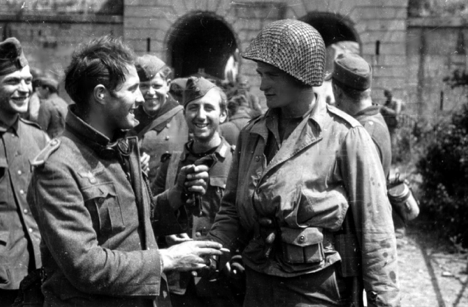
Lieutenant “Jack” Lee had a reputation as a fearless and aggressive leader who had led his tank company through France, Germany and Austria. Lee was described as “bright and inquisitive” young man who was a star football player and an avid cavalry rider. These skills helped him gain an exceptional talent for maneuvering Sherman tanks.

During his years of combat, Lee was promoted and hailed as a “swashbuckling” leader and fearless officer who won the Distinguished Service Cross. Every day Lee faced death from his turret. A biographer wrote,

“Because he was so good at what he did, he always got put out front.”

It was in the dramatic final days of World War II in Europe, and Lee  found himself in Austria, eagerly anticipating the end of hostilities after Hitler’s suicide and the fall of Berlin.

One day as he was chewing on a cigar,  Major Josef Gangl showed up. Gangl was a hardcore Wehrmacht veteran of 17 years. He’d had enough of the Nazi SS atrocities, and he was there to tell the Americans about some political prisoners at a nearby castle. Reichsführer Himmler had been using the castle for VIPs from France, including two French prime ministers, two former supreme commanders, and the sister of Charles de Gaulle. The guards had abandoned their posts, but the prisoners knew too much about Dachau concentration camp 75 miles away. The SS had been ordered to retake the castle. In no time, Jack was on his way with two tanks, six volunteers from another unit, Major Gangl and a truckload of German soldiers.This unlikely rescue party encountered SS troops at a roadblock. The American and German troops opened fire, brushing them aside. When they got to the castle, the French dignitaries were unimpressed with this odd force (insert a  sigh here). They were even less dazzled by Jack’s attitude. You know the one, that American cocksure, “Get off your high horse” approach to things. But the French were soon glad he was there: crack troops of the 17th Waffen-SS Panzer Division surrounded the castle and opened up. The American and Wehrmacht troops fighting for their lives and those of the prisoners. Ammo was running low when a phone rang in the castle. It was American Major John Kramers calling from a nearby town. (Really, I just couldn’t make this stuff up!) Kramers told Jack that help was coming.  The Waffen-SS were about to blast through the front gate of the castle when they heard the sound of automatic weapons and tank guns behind them. Kramer and his force were fighting their way through. When they arrived, Jack went up to one of the tank commanders and said, “What kept you?”  

A cigar wasn’t mentioned, but I like to imagine one in his hand. And maybe a bottle of schnapps.


Thanks for reading! We hope you enjoyed our post. Please share with all your fellow patriots. Brought to you by: Ultimate Flags

United States Army Flag

courage and guts flagGod Guns Guts & Glory

buy usa flag

USA Flag 3 x 5

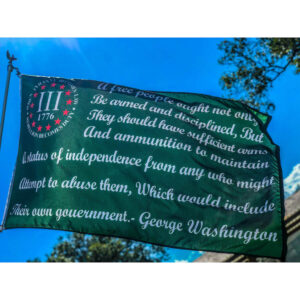
gw bear arms quote flag in green washington colors

GW Bear Arms Quote Flag


Posted on

30 Facts You Probably Didn’t Know About Flags

To those who fly them, flags have deep meaning and represent a vast array of things. Each flag has a story behind it, and I’m going to fill you in on some fun facts about a few of them.

Did you know…

1. According to the Flag Code, the American flag should never be used for advertisement purposes in any manner whatsoever. 

Obviously this rule is often overlooked in as much as it violates the Constitution guarantee of free speech (expression)…

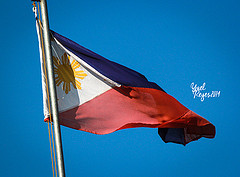
2. The Filipino flag is flown with the red stripe up in times of war and with the blue stripe down in times of peace.

Filipino Flag

3. The U.S. Pledge of Allegiance was published in magazines to sell American flags to public schools.

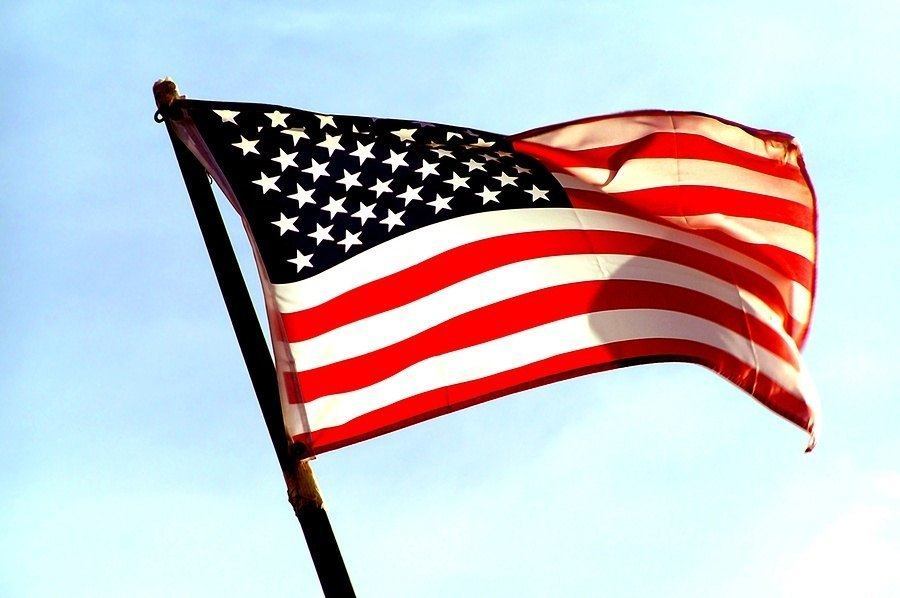
American Flag

In 1892, James B. Upham had the idea of using the 400th anniversary of Christopher Columbus reaching the Americas to bolster the sales of American flags to all schoolhouses. The magazine called for a national Columbian Public School Celebration to coincide with the World’s Columbian Exposition. A flag salute was to be part of the official program for the Columbus Day celebration being held in schools all over the nation. Thus, every school needed an American flag.

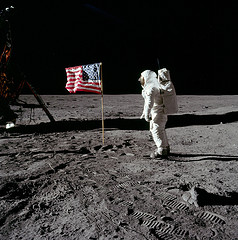
4. Each of the Apollo missions to the moon planted an American flag in the soil.

Buzz Aldrich planted the first flag on the moon, but it was knocked over by exhaust from the Lunar Module during takeoff. However, most experts think it is highly unlikely any of the Apollo flags could have endured the 45 years of exposure to vacuum, temperature swings that vary from around 242 F during the day to -280 F during the night, micrometeorites, radiation and ultraviolet light. Some believe the flags have all but disintegrated under such an assault from the environment.

Buzz Aldrin USA FlagBuzz Aldrin salutes the U.S. Flag.

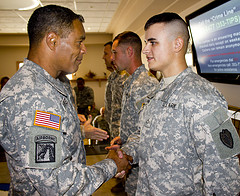
5. American flags on airplanes and uniforms are often “backwards.” 

On many planes, and on American soldiers’ uniform, the flag decal is positioned with the union (the blue area on the flag) closest to the front of the plane. On the plane’s left side, the decal is positioned as normal with the union at the left. On the plane’s right side there is a “right flag” or “reversed field flag” or “reverse flag,” with the union on the right. This is done so that the flag looks as if it is blowing in the wind that’s created by the forward movement of the plane. You can sometimes see this on cars, trucks, and military uniforms as well.

soldier flag

6. The first Olympic flag went missing for 77 years

After the 1920 Olympic Games, the Olympic flag went missing for 77 years. Finally, an Olympian revealed he’d had it in his suitcase the whole time. Hal Haig “Harry” Prieste (1893-2001) admitted that he took the flag as a dare at the 1920 Games in Antwerp, Belgium and took it home, only to keep it hidden it in a suitcase for decades.

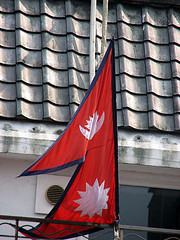
7. The flag of Nepal is the only non-rectangular flag representing a country.

Nepal-Flag

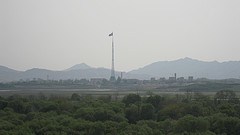
8. During truce talks between North and South Korea, both parties would try to bring a bigger national flag than the other to each meeting.

Tallest-Flag-Pole

The battle of the biggest flags continued between North and South Korea until finally a special meeting was called to address the size of the flags, as they could no longer fit in the room.

During the flag rivalry, taller and taller poles were built until the North finally “won” with what is now known as the world’s tallest flagpole. It is 525-feet tall and the fabric for the flag alone is reported to weigh 600 pounds. 

9. Lichtenstein and Haiti once had identical national flags.

Interestingly, no one realized that Lichtenstein and Haiti had identical flags until the two countries competed against each other in the 1936 Summer Olympics under the same flag.

In 1937, Liechtenstein altered its flag to include a prince’s crown to distinguish it from Haiti’s flag.

10. In 1906, Irish Olympic silver medalist Peter O’Connor climbed a 20-foot flag pole and waved the Irish flag when made to compete for Britain.

Meanwhile, Irish and Irish-American athletes fought off guards at the bottom of the pole. 

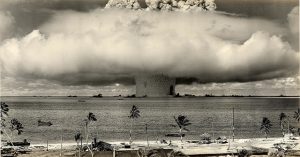
11. Atomic blasts caused by the U.S. are represented on Bikini Atoll’s Flag

There is a little island called Bikini Atoll out in the Pacific Ocean which is about 2,650 miles southeast from the Hawaiian Islands. The appearance of its flag is similar to the USA flag but it has an especially unique story behind it.

The 23 white stripes on the flag represent the islands that make up Bikini Atoll. The three black stars in the upper right represent the islands that were vaporized by the March 1, 1954, 15 megaton hydrogen bomb that was fired by the USA. The two black stars in the lower right hand corner represent where the Bikinians currently live — Kili Island (425 miles to the south of Bikini Atoll) and Ejit Island of Majuro Atoll.

bikini-atoll-2

The Marshallese words running across the bottom of the flag, “MEN OTEMJEJ REJ ILO BEIN ANIJ” translate to “Everything is in the hands of God.” This statement represent the words spoken in 1946 by the Bikinian leader, Juda, to U.S. Commodore Ben Wyatt when the Americans went to Bikini to ask the islanders — on a Sunday after church — to give up their islands for the ‘good of all mankind.’ The U.S. intended on testing nuclear weapons on the islands.

The close resemblance of the Bikinian’s flag to the U.S. flag is to remind the people and the government of America that a great debt is still owed by U.S. to the people of Bikini.


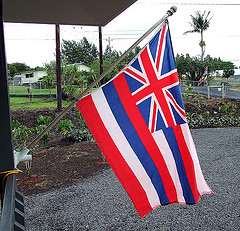
12. Hawaii’s state flag features the Union Jack (flag of the UK) and is the only U.S. State flag to do so. 

Hawaii-Flag

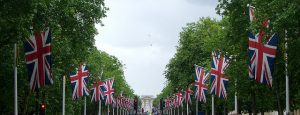
13. The Union Flag originated from the union of the crowns, not the union of the countries, so if Scotland leaves the United Kingdom, the Union Flag does not have to change.

Union-Flags

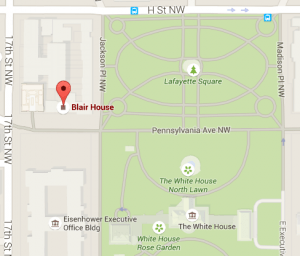
14. When a foreign dignitary stays at the Blair House (which is essentially the White House’s guest house), their national flag is flown over the premises and the area is considered foreign soil. 

Google Map

15. The U.S. is the only country that does not dip its flag to the host country at the Olympics’ opening ceremonies.

When the U.S. flag-holder was asked to dip his flag for King Edward VII at the 1908 London games, he supposedly responded, “This flag dips to no earthly king.” 

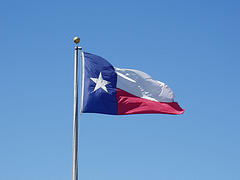
16. Texas is the only state where citizens also pledge allegiance to the state flag. 

Texas-Flag

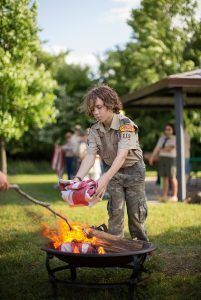
17. The Boy Scouts burn the most U.S. flags than anyone in the World

It turns out, the Boy Scouts are actually showing respect for the flag when they set it to flames. According to the Flag Code, burning is considered the most respected way to dispose of a worn out flag. 

Boyscout-Burning-Flag

Scouting.org

18. The Virginia state flag is the only U.S. state flag to feature nudity. 

19. In Denmark, it is illegal to burn foreign flags but not illegal to burn the Danish flag. 

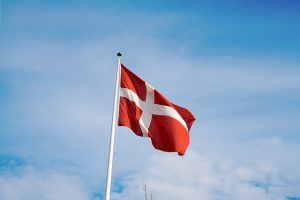
20. Denmark’s flag is the oldest flag currently in use

Denmark designed its flag in 1219 and it’s remained unchanged ever since. 

Denmark-Flag

21. The flags of Australia and New Zealand are so similar that the Prime Minister of Australia was greeted with the flag of New Zealand on a 1984 state visit to Canada. 

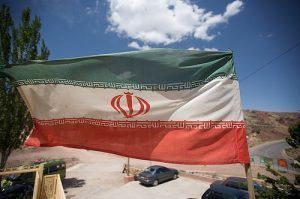
22. The words “Allahu Akbar” (translation: God is the greatest) are repeated 22 times on Iran’s flag. 

Iran-Flag

23. At one point, the Nazi flag actually helped to save lives.

John Rabe, a member of the Nazi Party, prevented the slaughter of hundreds of thousands of Chinese civilians at the hands of the Japanese by setting up a refugee zone under a Nazi flag.

24. The first African-American to receive the Medal of Honor earned it by protecting the flag.

In the Civil War, Sgt. William Harvey Carney refused to let the American flag touch the ground, despite being shot in the face, shoulders, arms, and legs. He later recovered from the wounds he received and earned the Medal of Honor for his vigilance.

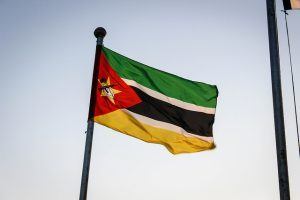
25. The flag of Mozambique has an AK-47 on it and is the only flag in the world to display a modern weapon. 

Mozambique-Flag

26. A Mexican city holds the title of having the largest flag flown from a flag pole. 

On December 2nd, 2011, the city of Piedras Negras in Piedras Negras, Coahuila, Mexico flew a national flag measuring 34.3m x 60m (112ft 6.39in x 196ft 10.2in) — the largest flag ever to fly on a flag pole. 

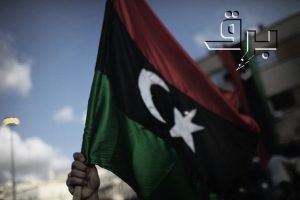
27. Libya’s new flag is actually retro.

Libya’s gone through many flag changes over the years, and, at one point, even had what many would consider the most boring flag in the world — a solid rectangle of green. Its newest flag is actually a throwback to the flag which originally represented the Kingdom of Libya. The Kingdom of Libya existed from 1951 to 1969 until a group of military officers led by Col. Muammar Qaddafi overthrew the government.

Libya-Flag


28. The Friesland flag in the Netherlands shows seven lily leaves.

The leaves on the Friesland flag represent the seven old Frisian sea lands as they existed from around the 8th until the 14th century:

29. The American flag’s red, white, and blue colors did not have significance when it was adopted in 1777.

Although the colors on the flag didn’t have specific meaning, those on the Great Seal did. When reporting to Congress on the Seal, Charles Thompson, Secretary of the Continental Congress, stated:

“The colors of the pales (the vertical stripes) are those used in the flag of the United States of America; White signifies purity and innocence, red, hardiness and valor, and blue, the color of the chief (the broad band above the stripes) signifies vigilance, perseverance and justice.”

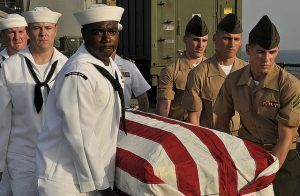
30. It’s tradition to bury a war veteran with a flag.

War veterans are commonly buried with small flags, and if specially requested, they may be buried with his or her body wrapped in the flag.

Flag-Burrial


Flag Facts FAQ

Why is the American flag “backwards” on military uniforms and planes? The union (blue star field) sits toward the front so the flag appears to stream backward in the wind as the wearer or aircraft moves forward.

What is the proper way to retire a worn-out American flag? Burning is the dignified, Flag Code-approved method of disposal — which is why the Boy Scouts hold respectful flag retirement ceremonies.

What is the oldest national flag still in use? Denmark’s Dannebrog, in use since 1219 — browse it in our country flags collection.

What size flag should I buy for my house? The 3×5 ft flag is the standard house-pole size; 12×18 inch flags fit car, truck and boat holders — see every option in our flags-by-size guide.

Where can I buy quality American, historic and rebel flags? Right here — Ultimate Flags carries thousands of flags in printed, sewn and embroidered quality, with Buy 2 Flags, Get the 3rd FREE on every order.

Thanks for reading! We hope you enjoyed our post. Please share with all your fellow patriots. Brought to you by: Ultimate Flags

Posted on

“It took a lot of punishment.”

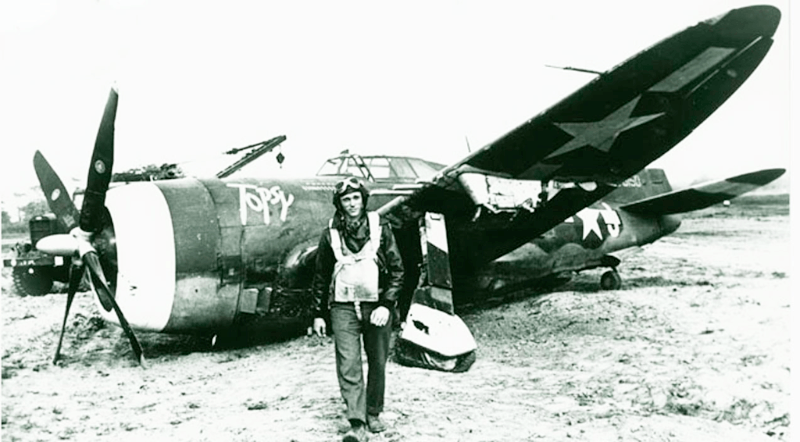
Captain Bill Cooper was an American World War II fighter.  He flew 70 missions, including during D-Day, Battle of the Bulge and the invasion of Holland. One of his planes was the P-47 Thunderbolt, of which he said, “It took a lot of punishment.” Shot down three times, he always managed to get back to his own lines. During one mission he had to crash land at his airfield. With a massive hole in his right wing and part of his tail missing, he had to touch down at 200 MPH.   Another time he was shot down over some farmland.  When an enemy soldier began shooting at him, he dashed into the woods, hiding in a mound of potatoes to escape detection. Not all of his stunts were in battle, however.  One time he decided to fly under the Arc de Triomphe in Paris.  Seems there was a bottle of whiskey at stake.  He and his wingman pulled it off, turning their planes sideways to fit through.  No small fuss ensued, and it was a good thing pilots were needed in the air. Cooper earned many medals, including five Bronze Stars and the Army Air Forces’ highest honor, the Distinguished Flying Cross.


Thanks for reading! We hope you enjoyed our post. Please share with all your fellow patriots. Brought to you by: Ultimate Flags

United States Army Flag

courage and guts flagGod Guns Guts & Glory

Liberty or Death Red Rifles Flag

2nd Amendment GW Quote Flag


Posted on

One Soldier Meets 5 Tanks:  ”Nobody’s gonna get past MY roadblock!”

In October 1944, General Douglas Macarthur stepped onto the Philippine island of Leyte, and made his radio announcement to let the Japanese and the world know: “People of the Philippines, I have returned!”

It was December 1944. PFC Dirk Vlug and his regiment were was on Leyte Island to chase retreating Japanese across the jungle. He was standing guard duty at roadblock outside the city of Ormoc when suddenly two enemy tanks headed his way. The tanks were about to meet their worst nightmare as someone was about to earn the U. S. Medal of Honor.   Private Dirk calmly picked up his bazooka and advanced on the first tank,. 37mm rounds struck all around him, but they all missed. He loaded, fired and destroyed the tank.

Crew from the second tank dismounted to attack him. But He fought back with his .45 Colt 1911, chasing them back into the tank. Then he reloaded the bazooka and destroyed his second armored vehicle of the day.

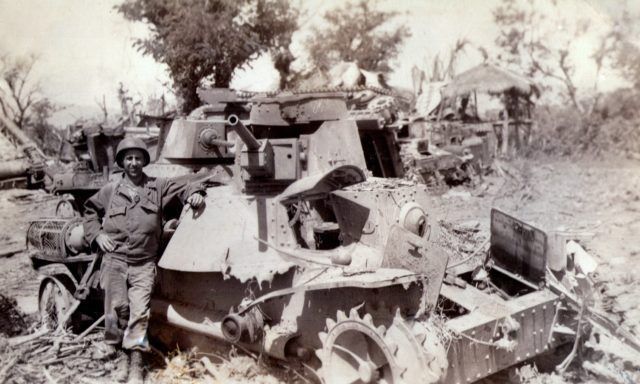
Three more hostile tanks approached. Vlug ran up beside the first and blew it up. More bullets flew at him, but he kept running toward the second one, also taking it out with a direct hit. The third veered, but Vlug was faster. Again, he came under heavy fire. Unruffled, he proceeded to take out the fourth tank.The remaining tank should have taken a hint by now. With his one remaining round Dirk blasted the fifth one. He only grazed it, but it was enough. He watched it tumble down a cliff. History doesn’t tell us what this private did next, but I you can just picture him walking back to his post, lighting up a cigarette, and saying to himself, ”Nobody’s gonna get past MY roadblock!” For his outstanding courage and performance,  Vlug was awarded a US Medal of Honor on June 26, 1946.In the picture above Private Vlug  poses with a tank he destroyed.

Thanks for reading! We hope you enjoyed our post. Please share with all your fellow patriots. Brought to you by: Ultimate Flags

United States Army Flag

Buy Now!

POW MIA Flag

Buy Now!

Eagle Patriotic Flag

Buy Now!

God, Guns, Guts & Glory Flag

Buy Now!

Posted on

Blow the Bridge or Die!

On Easter Sunday morning 1972, Marine Corps Captain John Ripley was in a South Vietnamese village. He was there to help train 600 South Vietnamese Marines. But no one was thinking about that now. An enemy armored division had appeared on the other side of the river. Two hundred tanks and 20,000 men were assembling to cross a bridge and annihilate Ripley and the Marines.

Ripley later said,

“We didn’t have the wherewithal to stop that many tanks. We had little hand-held weapons. And we certainly didn’t have anything on the scale that was needed to deal with the threat. Originally  20 tanks had been reported.”

An aerial observer, quite high up, flew over and said,

“You got bumper to bumper tanks from the Ben Hai River all the way to Dong Ha. They can’t even turn around they’ve got so many of them.”

There was only one solution: blow the bridge.

A later observation reads,

“I don’t think it ever entered his mind not to do what he had to do. Despite the fact that someone might say, ‘Do you realize what you’re doing?’ What did they want him to do? Turn the radios off and leave? That’s just not the Marine Corps way. Ever!”

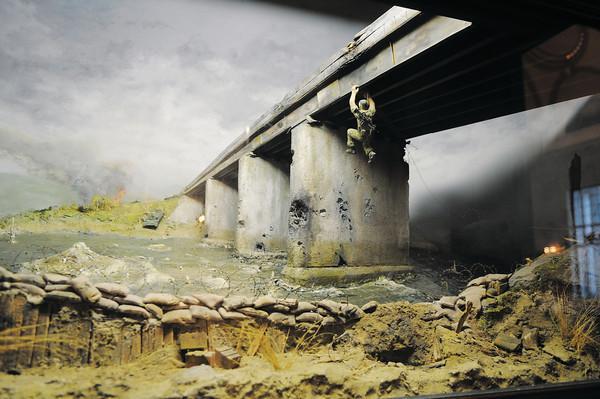
A South Vietnamese Marine Sergeant fired on and disabled an enemy tank at the head of the column, buying time. A Naval Academy graduate, Ripley already had two Bronze Stars, a Silver Star and a Purple Heart. He’d served with Marine Force Recon, British Royal Marines and Army Airborne Rangers (he’s the only Marine in the Army Ranger Hall of Fame).Ripley was soon swinging like a monkey from the underside of the bridge, hand over hand, setting explosives. This was not a movie, where you just put them any old place. To blow a steel and concrete bridge, you have to get the right placements and patterns.It took Ripley a dozen trips to position the charges, each time with huge loads of TNT and C4, each time with bullets pinging around him. Then two more trips to set the detonators.

Exhausted, muscles burning, he was waiting on the riverbank for the explosion when he saw an injured mother with her child trailing well behind. The explosion would have killed the little girl, so Ripley raced out, scooped her up and raced away from the bridge toward the mother. Boom! The explosion blew Ripley and the child into the air. He landed, with the child safe on top of him. When the smoke cleared, Ripley saw the whole bridge had collapsed.

Well done, Vietnam Vet Captain Ripley!

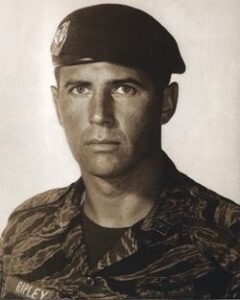
Captain John Ripley, Vietnam 1972


Thanks for reading! We hope you enjoyed our post. Please share with all your fellow patriots. Brought to you by: Ultimate Flags

Posted on

Courage

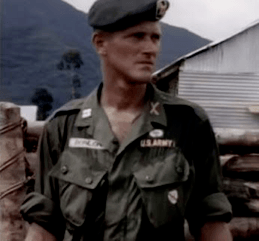
Men need cool and aggressive leadership when under fire. Captain Roger Donlon displayed just that on July 5, 1964. At 2:26 AM a barrage of mortar shells rained on his Special Forces Detachment camp.

He had just written to his wife, “All hell is going to break loose here before the night is over.”

He was not alone in his premonition. Most of the twelve men manning the small outpost just 15 miles from Laos in the Republic of Vietnam, had the same feeling.

Under attack by a Viet Cong battalion, the men were outnumbered three to one. Barking orders and directing defense, Donlon raced through exploding grenades and rifle fire to stop a breach at the main gate. Single-handedly taking out an enemy demolition team, he got his first injury of the night: a severe stomach wound. Disregarding his injury, Donlon stayed behind to cover the withdrawal of a mortar team. An explosion sent shrapnel into his shoulder, but once the men were safe he carried the mortar back to a new position. Captain Donlon moved around the camp, administering first aid, dragging ammunition to gun positions, directing mortar fire. With still another wound to his leg, Donlon went from position to position, hurling grenades and encouraging men to do the impossible. Another mortar shell exploded, wounding him in the face and body. Five hours of non-stop fighting continued. Finally, daylight arrived, and the enemy withdrew. Donlon later said that courage “was the core that allowed us to do things beyond what we thought we’d be capable of.” Captain Donlon was awarded the Medal of Honor for his actions that night.

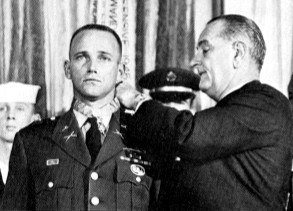
All nine surviving members of Team joined Donlon at the White House where President Lyndon Johnson hung the Medal of Honor around their team leader’s neck. The humble hero said, “The medal belongs to them, too.”

President Johnson awards Donlon the Medal of Honor in December 1964

Later he  wrote about that night of fighting, “It was a team effort, and I was simply the designated leader.”

Captain Donlon’s award was the first Medal of Honor awarded for action during the 14 year Vietnam War. 238 American soldiers would ultimately earn our nation’s highest honor for service in that war.

Thanks for reading! We hope you enjoyed our post. Please share with all your fellow patriots. Brought to you by: Ultimate Flags

United States Army Flag

Buy Now!

courage and guts flag

God Guns Guts & Glory

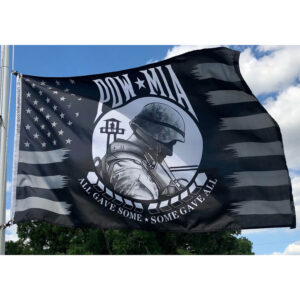
pow mia flag all gave some some gave allPOW MIA

– All Gave Some Some Gave All

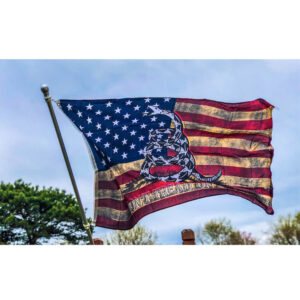
Vintage USA / Dont Tread on Me  Flag – Buy Now!

Posted on

The Plot to Remove Washington: Part 2

Yesterday we began this story (see it here). You heard about Dr. Benjamin Rush, the Father of American Psychiatry, who was one of the most vocal critics of Washington’s handling of his troops.

This was the same Benjamin Rush who, all evidence to the contrary, championed bloodletting as a miracle cure.

I’m sure the leeches loved him. Rush insisted you could remove up to 80% of a person’s blood with harming him. No wonder fellow physicians called him the “Remorseless Master Bleeder.” No wonder today’s psychiatrist call him “father.” (These “modern” doctors champion shock treatment and implanting permanent wires in people’s brains to deliver shocks throughout the day.)

That was the kind of man who sought to remove George Washington as Commanding General.

Thomas Conway But he was not alone. One of those trying to undermine Washington was an ambitious foreign officer named Thomas Conway. In a letter to Congress, Conway boasted of his skills and asked for a promotion to major general – skipping right over many men more senior.

Meanwhile Conway was spreading lies and rumor about General Washington. He was heard to say, “as to his (Washington’s) talents for the command of an Army, they were miserable indeed.”

When Washington heard of of Conway’s letter to Congress, he sent a letter of his own. Part of it was, “General Conway’s merit, then, as an Officer, and his importance in this Army, exist more in his own imagination than in reality.”

He also wrote that “it is a maxim with him, to leave no service of his own untold.”

George Washington learned of a letter written by Conway to General Horatio Gates that called Washington a weak general.

Washington wrote Conway to let him know his letter had been exposed.

Conway wrote back and lied, saying he never called Washington “a weak General.”

He compounded his mistake by saying that while he considered Washington a “brave man,” He thought he was “influenced by men who were not equal to him in point of experience, knowledge or judgment.”

Typical of a backstabber, Conway thought his covert remarks would work with Washington.

They did not: Conway had not only disparaged the General, but now his staff as well. Washington had too much integrity to not see through Conway’s scheming.

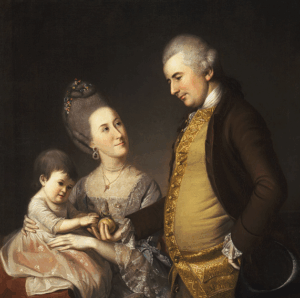
John Cadwalader and Family American Commander Revolutionary War 1772It took time, but ultimately Conway had to resign. He kept spreading his criticism, though.

Finally, an ally of General Washington put an end to it. General Cadwalader challenged Conway to a duel. The plotting Conway was badly wounded during the duel, and it was the end of his treachery.


Thanks for reading! We hope you enjoyed our post. Please share with all your fellow patriots. Brought to you by: Ultimate Flags

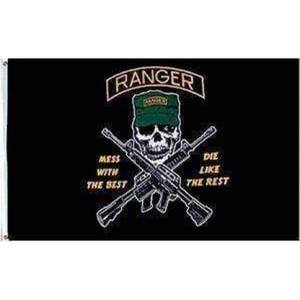
Army Ranger Flag

Gadsden Dont Tread on Me Flag

Culpeper Minute Men Flag

when tyranny becomes law flag double sided flags for sale 3x5 feet

III 1776 George Washington Quote Flag


Posted on

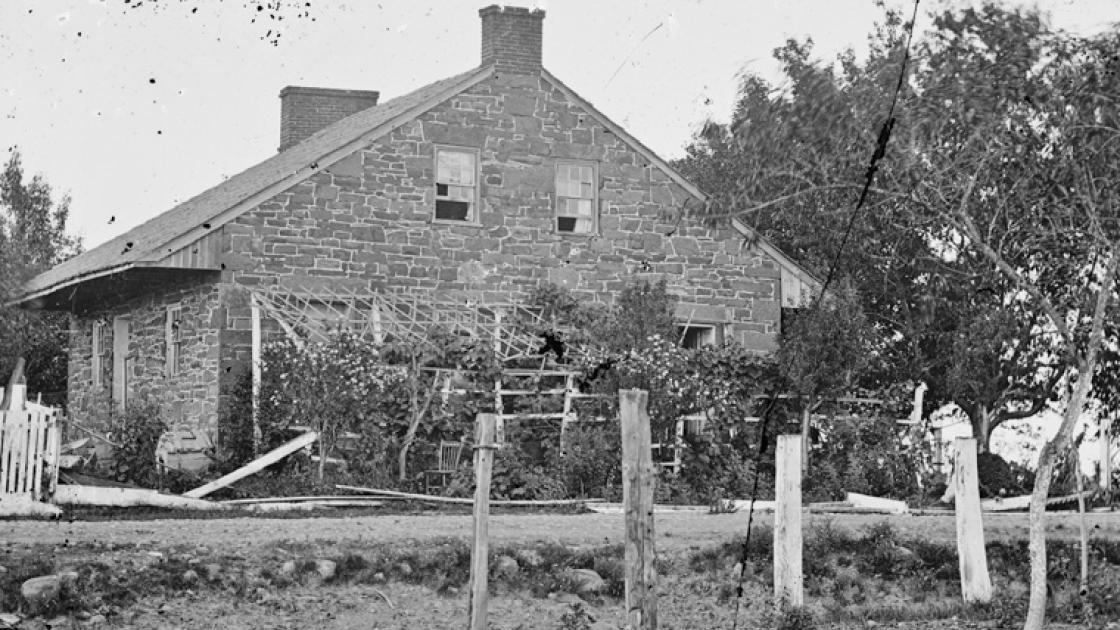
General Robert E. Lee’s Headquarters at Gettysburg

general lee headquarters

July 1-3, 1863

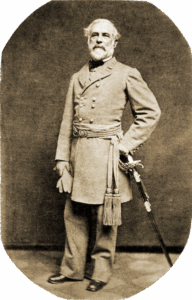
General Robert E. Lee 1863

The Battle of Gettysburg was 1 of the bloodiest battles in all of the Civil War.  Here are some interesting things to know about the Commander General Lee and the Headquarters…


  • #1: During the Battle of Gettysburg, both Union & Confederate Commanders made their headquarters at the homes of widows.

Gen. George Meade made his headquarters at the home of Lydia Leister, a widow with six children.   As the soldiers approached, Lydia left her home, returning after the battle to find her house severely damaged from iron and lead, and her yard dotted with dead horses. 
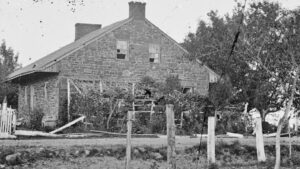
general lee headquarters

General Lee made his headquarters at a stone house on Seminary Ridge along the Chambersburg Pike occupied by a 70 year-old widow, Mary Thompson. Mrs. Thompson remained in her home throughout the battle, despite its proximity to intense fighting.

  • #2: On the 1st day of the battle some of the heaviest fighting took place around the Thompson house.

Federal soldiers who retreated from McPherson’s Ridge on July 1 fell back to a new position on Seminary Ridge.  The Union line crossed the Thompson property and extended to the north and south. Union artillery under Lieut. James Stewart was placed in front of the Thompson House, supported by three regiments of Pennsylvanians. 

A private from the 143rd Pennsylvania recalled that their regiment formed by the fence “at the old stone house.” Stewart’s artillery hit five regiments of Alfred Scales’ North Carolina Brigade, and with close range canister fire, repulsing the Tarheels for the first time in the brigade’s history, reducing one regiment from 180 men to only 30.  

  • #3: The Union retreat from the Thompson House on Seminary Ridge resulted in the largest capture of Federal soldiers at Gettysburg.
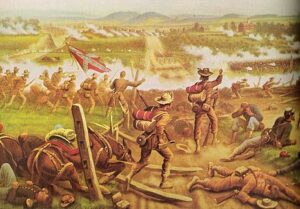
Although the Union center held against Scales’ brigade, the elements of Rodes’ and Pender’s divisions had crumbled the flanks of the Union First Corps.  Col. Abner Perrin’s brigade then crashed through the heavy Union artillery fire into the center of the line and forced the Union First Corps to retreat.  The position around the Thompson House was the last that Union troops held north of town on July 1.

In the midst of the retreat, many ran down the railroad cut that ran near the Thompson House, an act which proved disastrous when their escape route was cut off by the victorious divisions of Pender and Rodes.  Of the 28 infantry regiments of the First Corps 24 of them had 50 or more men captured, for a total of about 2,000 men.

  • #4: The Thompson House’s location near the center of Robert E. Lee’s battle line made it the ideal location for his headquarters.

When Gen. Lee arrived at Seminary Ridge on July 1st, his army had routed the Union forces, and he immediately established his headquarters at the Thompson House.  Four guards were placed around the house, and Lee’s staff members and officers made their camps nearby. Lee took his meals in the Thompson House and even slept there on July 1.

Due to the intensity of the battles on July 2 and 3, Lee spent little time at his official headquarters, yet the tents of his headquarters staff remained there and all incoming messages for Gen. Lee were sent to the Thompson House.

  • #5: The Thompson House served as a hospital for soldiers on both sides.

In the aftermath of the first day’s fighting at Gettysburg, dead and wounded men littered the fields around Seminary Ridge.  The proximity of Mary Thompson’s house to the heaviest fighting of the day meant that wounded men, from both sides, were taken to her house.   Mary remained at home throughout the battle and cared for the wounded men, using all her clothes and bedding as dressing for the wounded, and wrapping the dead in carpets.

  • #6: The area around Gen. Lee’s Headquarters was an important Confederate artillery position on July 2 and 3,  1863.
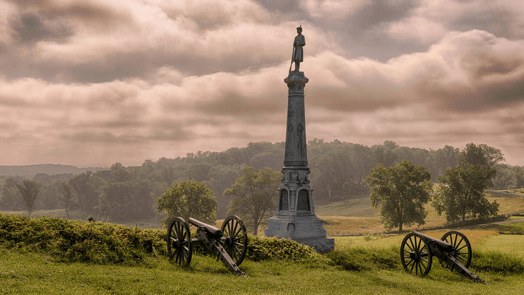
3 inch rifleOwing to its central location, Confederate artillerymen found the ridges near Lee’s headquarters to be an admirable artillery position. Early on July 2, two Confederate batteries under Capt. Willis J. Dance were placed near the Thompson House along Seminary Ridge, where they were joined by Capt. Benjamin H. Smith’s Battery of three-inch rifles.  Gen. Junius Daniel’s North Carolina brigade supported these guns, which opened fire on Union batteries at 4 o’clock and continued the bombardment until dark. 

On July 3, the area around the Thompson House was once again a center of activity as Watson and Smith’s batteries were taken from their positions and moved south down Hagerstown Road to support the grand Confederate charge that afternoon.

  • #7: Lee’s Headquarters has a long and controversial history, continuing long after the Battle of Gettysburg.

After the Battle of Gettysburg, thousands of visitors poured into the town, many eager to see the small house where Gen. Lee had made his headquarters.  Mary may have been uncomfortable with her newfound prominence; she left Gettysburg for a short period after the battle, but lived in the house until her death in 1873. 

In 1896, a fire consumed the inside of the home but left the outside intact.  In 1907, the longtime tenant of the home, Emma Feister, was arrested for “keeping a bawdy house.”  During this time, articles began appearing in newspapers that challenged the well accepted fact that Lee had made his headquarters at the Thompson House. The most serious allegation came in 1907.

Henry S. Moyer published an article stating that in the spring of 1874, a year after Mary Thompson’s death, he interviewed a woman residing in the Thompson House who stated that Gen. Lee had never been present there.

Moyer’s most substantial  evidence comes from a source he calls “a good friend,” who claimed that while speaking with Gettysburg historian, John Bachelder, Bachelder revealed that he had interviewed Lee, who stated that his headquarters were located in an apple orchard. The only evidence that this interview between Lee and Bachelder ever took place, however, comes from Henry Moyer’s 1907 article.  

  • #8: The widow Mary Thompson’s house was owned by the Radical Republican Pennsylvania Representative Thaddeus Stevens.

In 1833, Michael Clarkson, an enterprising Gettysburg businessman, purchased a tract of land along the Chambersburg Pike and built the stone house that 30 years later would become the headquarters of Gen. Robert E. Lee. Clarkson was a prominent figure in Gettysburg, and a close friend of Thaddeus Stevens, a significant player in early Gettysburg industry and politics.  Joshua Thompson, his wife Mary, and their eight children became tenants of the stone house.

Joshua was a habitual drunk who left Gettysburg and died sometime before 1850, leaving Mary to raise their children.  When Clarkson ran into financial trouble and his properties were put up for auction in 1846, Stevens acquired the house in which Mary Thompson lived .  It remained in his possession until his death in 1868.  Stevens had made a contract with Joshua Thompson before he died, and he purchased the house to ensure the welfare of Mary and her children.

  •  #9: Lee’s Headquarters marker on the Gettysburg Battlefield is almost certainly in the wrong place.

After Henry Moyer published his article in 1907, some historians chose to believe Moyer’s description of Lee’s headquarters, ignoring the numerous accounts, such as written accounts from Lee’s staff members and Gettysburg residents, that name the Thompson House as Lee’s official headquarters. 
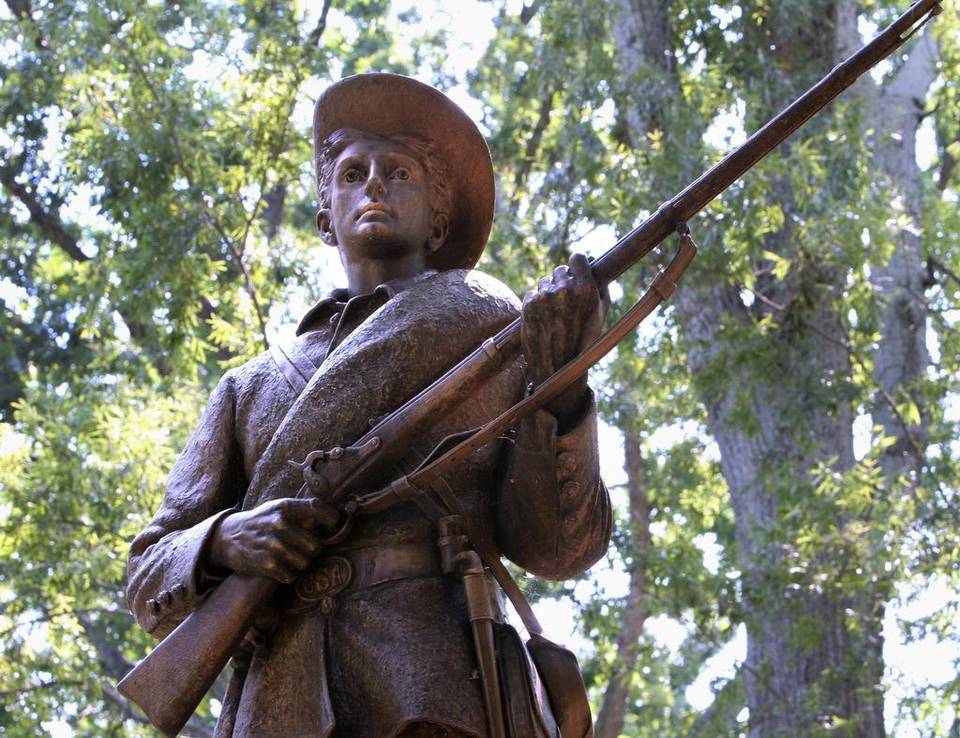
In 1919, the Gettysburg National Park Commission erected a marker that placed Lee’s headquarters across the street from the Thompson House.  Inscribed on the marker is a quote from the Moyer article: “‘My headquarters were in tents in an apple orchard back of the Seminary along the Chambersburg Pike.’-Robert E. Lee.”

This quote was fabricated by the War Department and was never actually spoken or written by Lee.  Despite this marker’s falsification, the National Park Service’s position is that Lee’s headquarters were established in a small tent on the south of the Chambersburg Pike, along with his staff and aides. 

  • #10: Lee’s Headquarters and the previously un-preserved acreage around it was saved in early 2015 by the Civil War Trust

Even though the house has been consistently referred to in first-hand accounts as Lee’s headquarters, and it was in the center of fierce fighting on July 1, the house was not purchased by the Gettysburg Battlefield Memorial Association, the War Department, or the National Park Service. It was converted into General Lee’s Headquarters Museum in 1921, and remained privately owned until 2015.
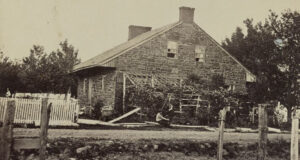
General Lee HQ the Mary Thompson house at Gettysburg

After completing the acquisition of the property in early 2015, the Civil War Trust undertook an effort to restore the landscape to reflect its appearance on July 1, 1863.

Where do you believe General Robert E. Lee’s Headquarters REALLY was? No matter whether it was IN this house or in an apple orchard… we know that many men fought & died on this land and should be honored and remembered for their ultimate sacrifice.

Brought to you by UltimateFlags.com We love sharing stories about the Civil War to honor and remember those brave individuals for fought honorably and stood against tyranny.

Source

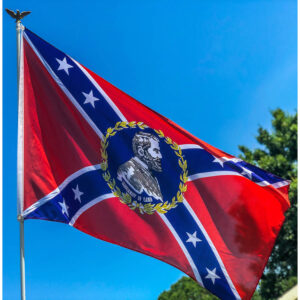
General Robert E. Lee Headquarters Flag
Buy the General Robert E. Lee Headquarters Flag Available Here!
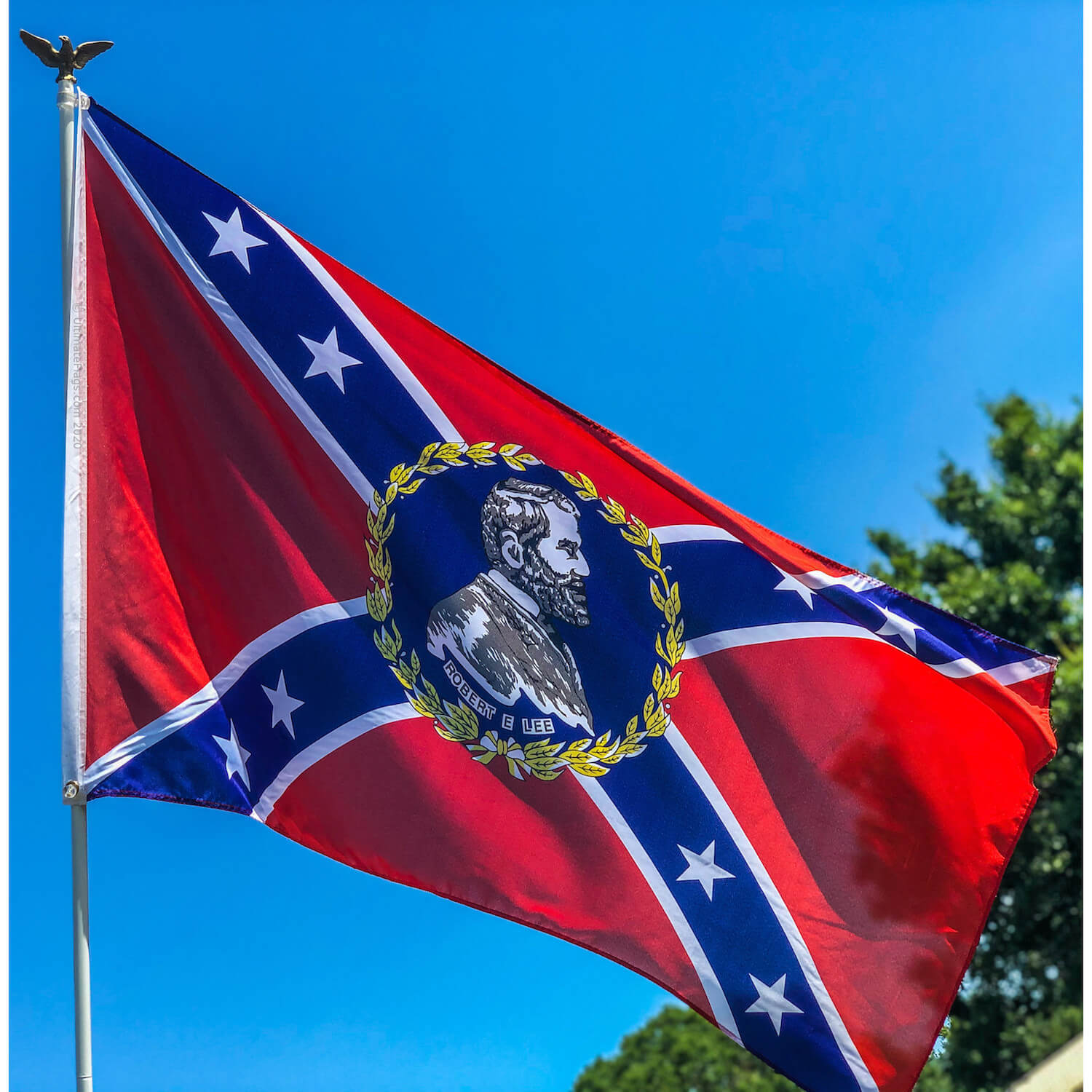
buy general lee flag

Rebel General Robert E. Lee Flag Available – Click Here!
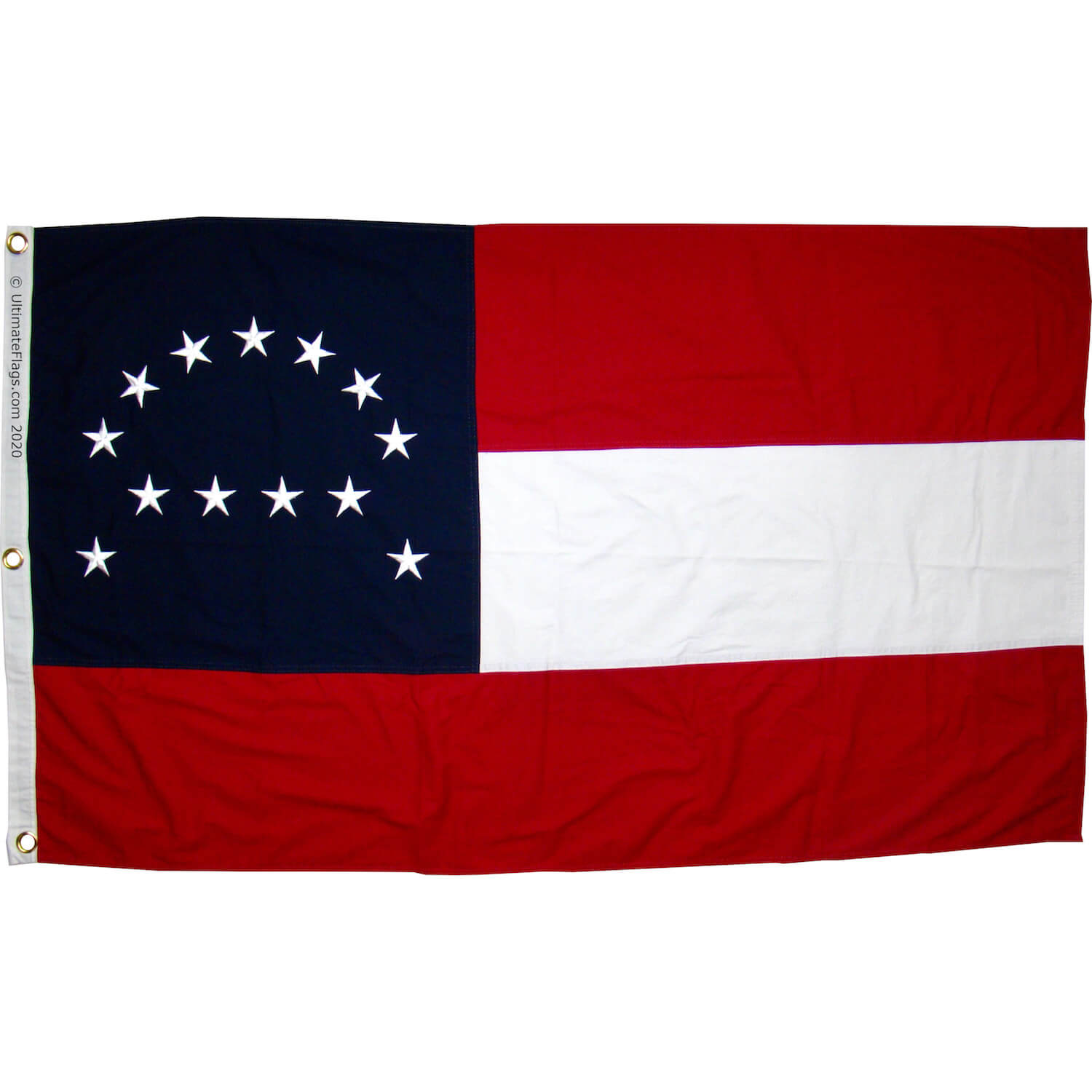
General lee headquarters flags for sale

Lee Headquarters Outdoor Nylon Embroidered Flag – Available Here!
Buy General Lee Cap Hat Civil War

Buy Robert E. Lee Pride of the South Cap / Hat

Available Here!

Posted on

What Do The Confederate Monuments Stand For Really?

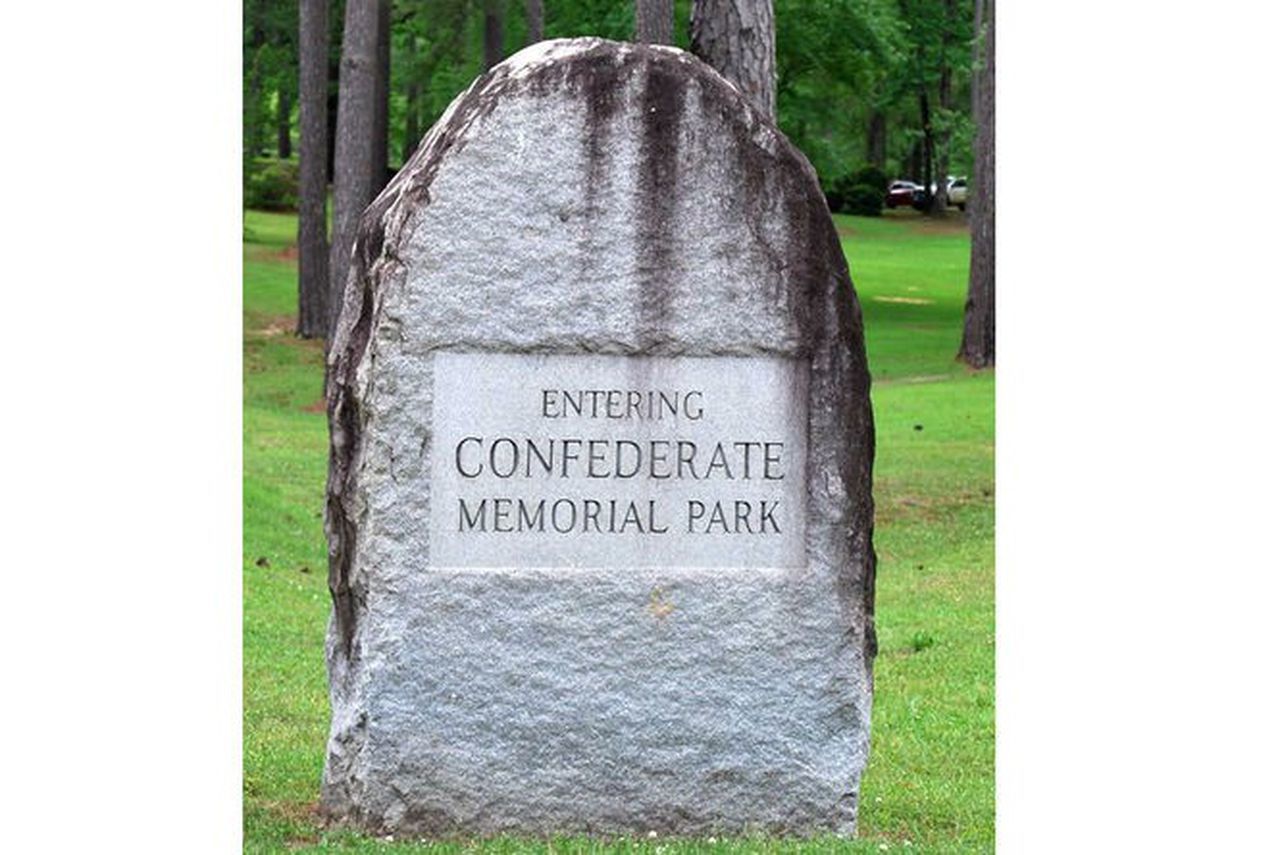
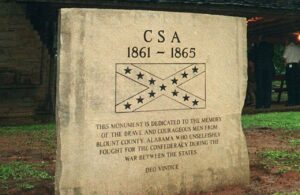
Have you ever wondered WHY there are so many Confederate War Memorials and WHY they are at Government Buildings mainly at Court Houses? What many people do not know is that the Union AFTER the Civil War ended spent 2 YEARS and $7 MILLION to BURY 360,000 Union Soldiers in the South and in the North.

2/3rds of the Graves and Grave Stones had NO names.

BOTH sides were overwhelmed by the HUGE number of DEATHS and Wounded in EACH Battle.

The Manpower to deal with the wounded and dead was NOT there. The North TRIED to bury as many as possible. But the sheer numbers were so high it could NOT be done. When it came to Confederates, shallow pits were dug and the bodies were thrown in and buried.

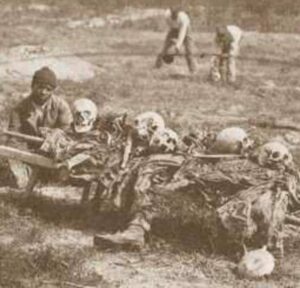
Tens of thousands were NEVER buried at all. Their bones littered the battle fields untouched. The North also did a practice of dumping Dead Confederates into wells on farms (up to 150 bodies at a time) to POISON the drinking water. They wanted to STOP the use of watering crops in the fields after being burned.

How much was spent to BURY the Confederate Dead Soldiers? NOTHING was spent! Worse, the Union bought Southern land for pennies on the dollar. This was used to CREATE graveyards for UNION Soldiers that could not be sent North for burial.

What happened to the Confederate dead?

Some were left as BONES laying in the fields and NEVER buried at all.  Some were buried by private funds in the South. However, the economy was so bad and all wealth lost that VERY few were buried. Blacks were paid as much as $1 per bone to gather the bones of the Dead Confederate Soldiers.

This is WHY there are so many war memorials in the South and NOT in the North. It is because of the GRIEF of NOT knowing who the dead were. The grief of knowing your loved one was NEVER properly buried and LEFT to rot and become bones or thrown in large MASS Graves.

Even at Gettysburg, where 65,000 men were killed in just three days, the North buried all the Union dead. The Confederate dead were buried in mass graves which were later dug up and desecrated.


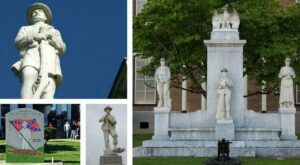
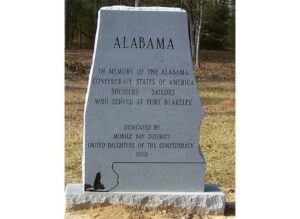
The war memorials are giant grave stones for the UNKNOWN dead Confederate Soldiers. And the Local and State Governments were very RECEPTIVE to putting them up for those soldiers that NEVER received a decent burial in the ENTIRE South.


150 years ago to 115 years ago the Wives, Mothers and Daughters did this because they were GRIEVING over never burying or even KNOWING where the Body was to bury.


They are NOT Monuments to Slavery or Monuments to White Supremacy!

They are monuments to the BRAVE Confederate soldiers who stood against tyranny and fought and died DEFENDING their Nation.  The South tried to peacefully secede from the North.  The Civil War was about standing against a government that wanted to take advantage of them. 
Would you have done any less?

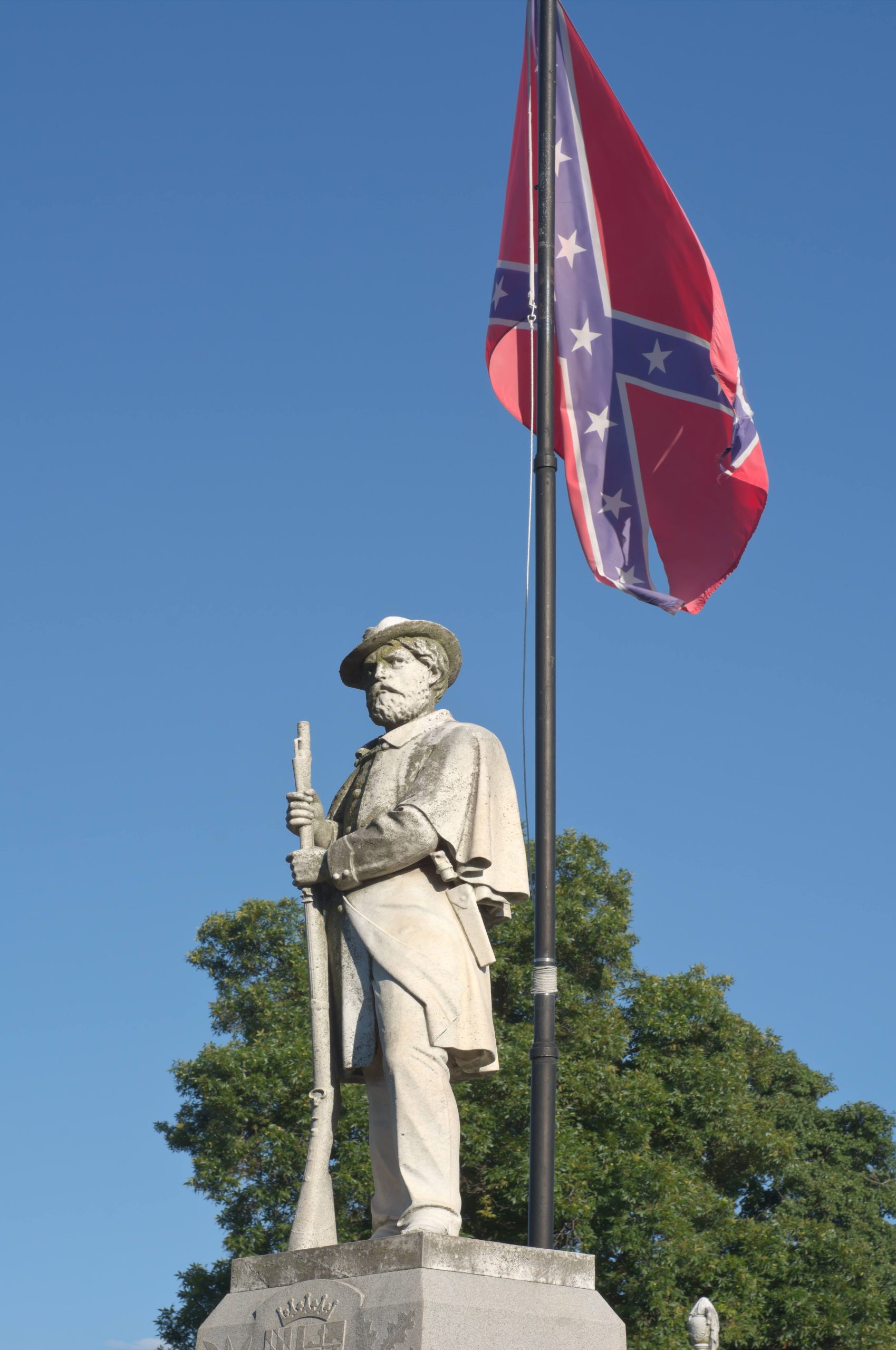
Sadly many of these monuments have been removed and/or destroyed recently. Soon all that will be left are pictures and Confederate flags to commemorate them.

Although they can remove these monuments from government buildings, they cannot remove what’s in our hearts and what we CHOOSE to fly on our property… yet. We sincerely hope it NEVER comes to that. May we all be as brave as these men.

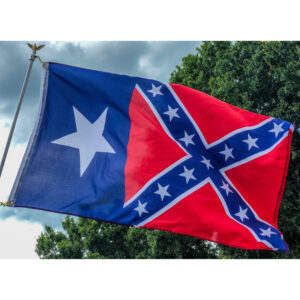
Thanks for reading! By UltimateFlags.com where EVERY flag tells a story.  What’s your favorite Confederate States of America flag? We love the Bonnie Blue! Tell us your favorite in the comments below.

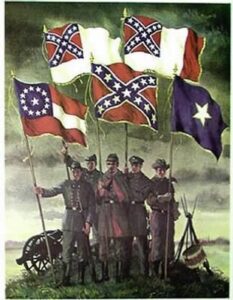
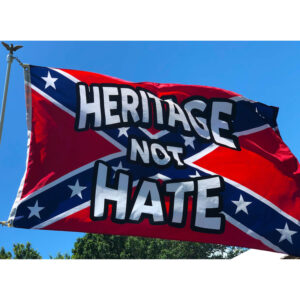
buy rebel heritage not hate flag

Buy Now Click Here

buy general lee flag

Buy Now Click Here

Bonnie blue Rebel flag

Buy Now Click Here

Posted on

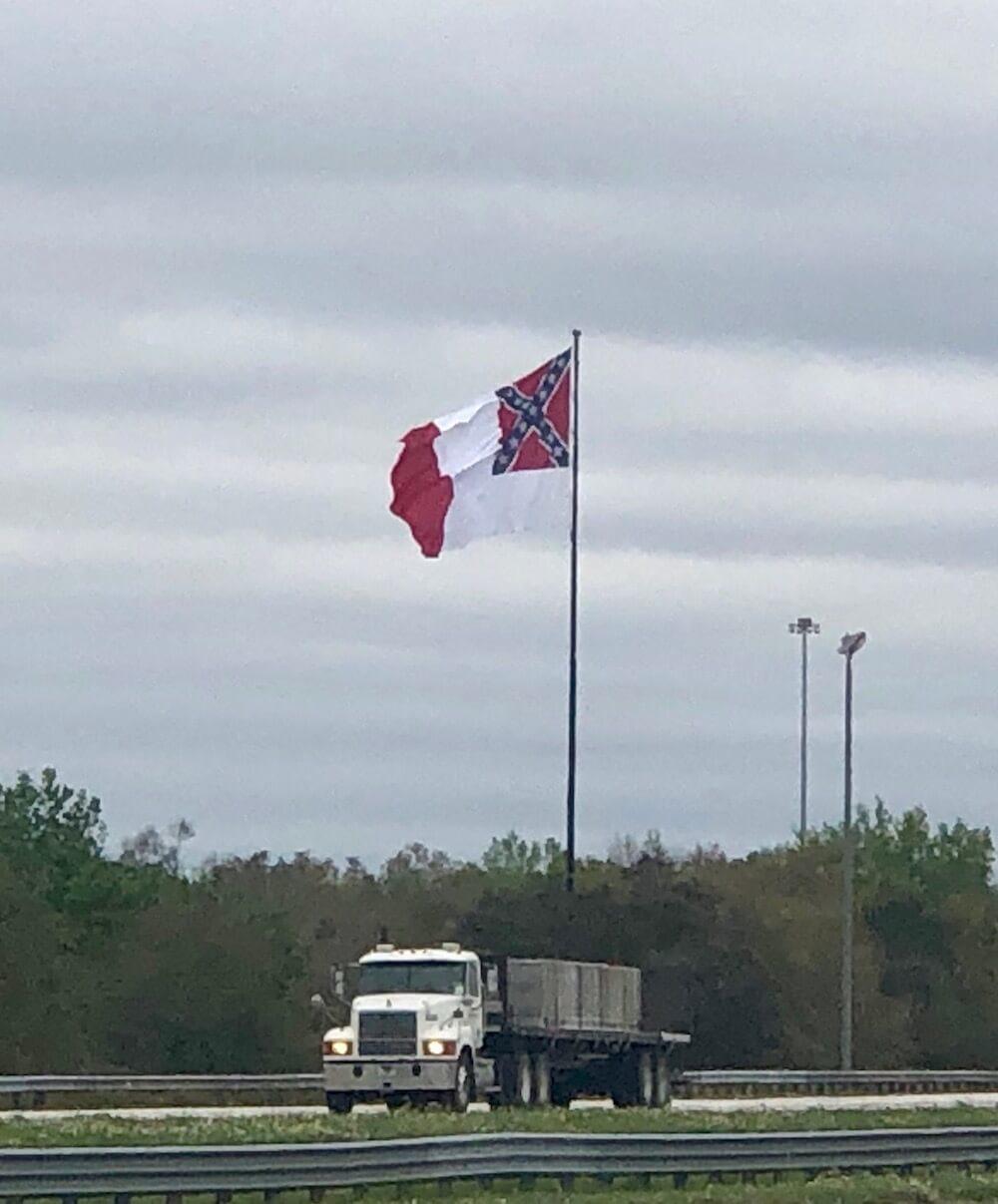
8 Facts About the Confederate Flag You Didn’t Know About

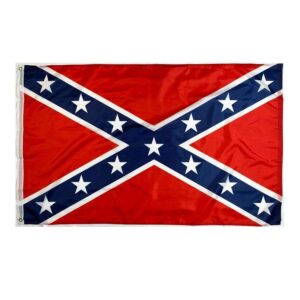
confederate flag for saleYou see the Confederate flag whipping back and forth in the wind, and your heart leaps, as you immediately feel a connection to it.

You’re not the only person who feels this way.

Research shows that 17% of Black people view the Confederate flag as a symbol of Southern pride, and 66% of white people embrace “Old Dixie” in this way.

The flag lives on. If you’re curious about the Rebellion, here are eight facts about the Confederate flag you may have never known.

This flag became the Confederacy’s first official flag after the Confederacy was created in the early part of 1861.

A special committee was charged with designing the flag. Although one approach was to develop a flag that mirrored the United States’ flag at that time, another approach was to produce a completely different flag. A variety of designs ended up being used to represent the Confederacy in the following years.

1. The Flag Started Out with an “X” Design

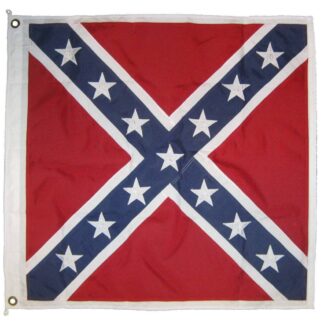
The flag’s first version featured a large blue “X” dotted with 13 white stars, all on a red background. The 13 states represented by the stars were South Carolina, Tennessee, Missouri, Kentucky, Arkansas, Virginia, Texas, Louisiana, Georgia, Alabama, Florida, Mississippi, and South Carolina.

This was a Christian flag and the X design was a throwback to the St. Patrick Flag.  However, this version was flown for just two years.  Why?

Because soldiers on the Civil War’s two sides frequently confused the “Stars and Bars” of the Confederate flag with the “Stars and Stripes” of the Union flag. And this, of course, led to confusion on the battlefield.

Another reason for the design change is that the Congress of the Confederacy was simply unhappy with it, as they craved a flag that they felt was “more Confederate.”

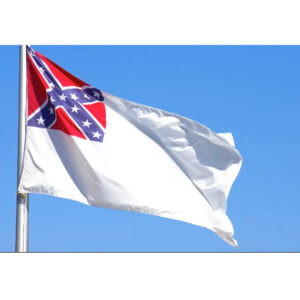
As a result, in May of 1863, a second Confederate flag was introduced that integrated the banner of the Northern Virginia Army, led by General Robert E. Lee, with a white plane. It got its name — “The Stainless Banner” — from the white midsection present on the banner.

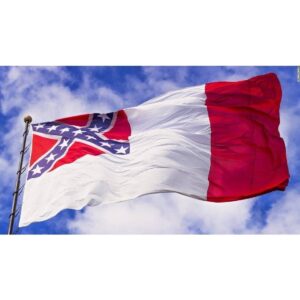
Then, in 1865, a third flag was unveiled that added a red-colored bar at the edge of the flag. It’s this red bar that led the flag to be called “The Blood-Stained Banner.”

Not many third version flags were produced prior to Lee’s surrender to Union troops in April of that year.

The good news is that the various versions of the Confederate flag are available today for purchase. Shop now to find the perfect flag to showcase with pride or keep in your personal collection of historical items.

2. Some State Laws Protect the Flag

Specifically, five states feature laws designed to protect the banner of the Confederacy: South Carolina, Mississippi, Louisiana, Georgia, and Florida.

In other words, if you decide to deface this flag in any of these states, you’ll receive the same punishment you’d receive for defacing the state flag or the American flag.

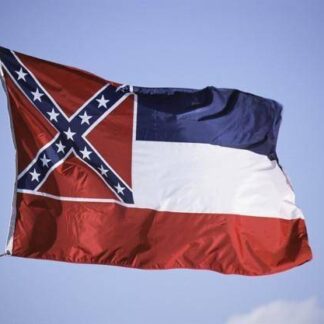
3. The Flag Is Still Part of the official State Flag of Mississippi… until a new one is proposed and approved that is.

South Carolina recently bowed to vocal public pressure to remove the Confederate banner from the state capitol. However, until just recently, Mississippi kept using the flag of the Confederacy on the state flag of Mississippi.

Back in 2001, the state did go through a period where efforts were made to change its flag. These efforts, though, failed, as flag proponents saw the flag as an important part of the state’s achievements and history.

To this day, students in school learn not only the United States banner fledge but also the Mississippi banner pledge. What will become of the official Mississippi State Flag now? Designs are currently being worked on for approval.

4. The Flag Represented Resistance to the Federal Government

Back in 1948, a party known as the Dixiecrats adopted the flag of the Confederacy as its party’s flag.

The party, which promoted segregation but was short-lived, chose this flag because the party’s members supported states’ rights. And this is exactly what the states of the Confederacy pushed for at the time of the Civil War.

Unfortunately the mainstream media chooses to align the Confederate Flag with racism. However, racism was not the original true purpose and meaning of this flag.  Those who represent resistance to the Federal government still to this day fly the Confederate flag along with the Gadsden flag.

5. Confederate Flags and Slave Ships Didn’t Mix

Confederate flags from the South were never flown on slave ships.

Rather, New England, English, Dutch, and Portuguese ships were utilized in the trading of slaves.

6. The Majority of Americans Don’t See the Flag as a Racist Symbol

According to a CNN survey conducted back in 2015, over 50% of Americans did not view the flag as racist. Rather, most Americans viewed the banner as a powerful symbol of pride in the South.

These results no doubt surprised critics of the flag. However, the results were actually no different from those of a similar 2000 study examining people’s perceptions of the Confederate banner.

Nowadays, due to so much fake news being reported, it’s hard to tell what’s true and accurate in the mainstream media anymore. 1 thing is for sure though, many Americans have a strong sense of pride and love of the Confederate Flag. 

Within the last few months, millions of Americans across the nation have ordered Confederate Flags to show their support against Nascar banning it, Mississippi banning it, and the Federal government trying to ban it. 

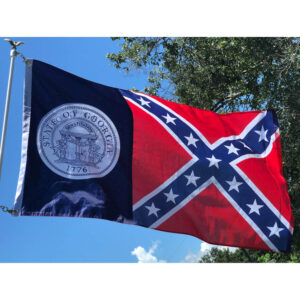
7. Georgia’s Previous State Flag Is Strongly Tied to the Confederacy

Many Georgians have no clue that their state’s flag was actually the Confederacy’s first flag.

If you take a close look at the old Georgia flag, you’ll see a Georgia “Coat of Arms” emblazoned between stars. This is a spitting image of the Confederacy’s first flag.

8. The Flag Continues to Strongly Represent the South

The Confederacy’s flag remains an iconic symbol of the South — one that continues to instill strong feelings in both its opponents and its proponents.

No matter who says what, the Confederate Flag is a part of our history and cannot be erased.  What we, as Americans, should be focused on, is how to come together as 1 and ensure this part of our pledge stays true: “indivisible, with liberty and justice for ALL.”

Thanks for reading! We hope you enjoyed our post. Please share our posts on social media with other proud Confederates.

Brought to you by: Ultimate Flags

Source

Posted on

Herman Falk, Korea POW comes home to Arlington

Korean War POW to be buried in Robert E Lee’s Arlington Cemetery

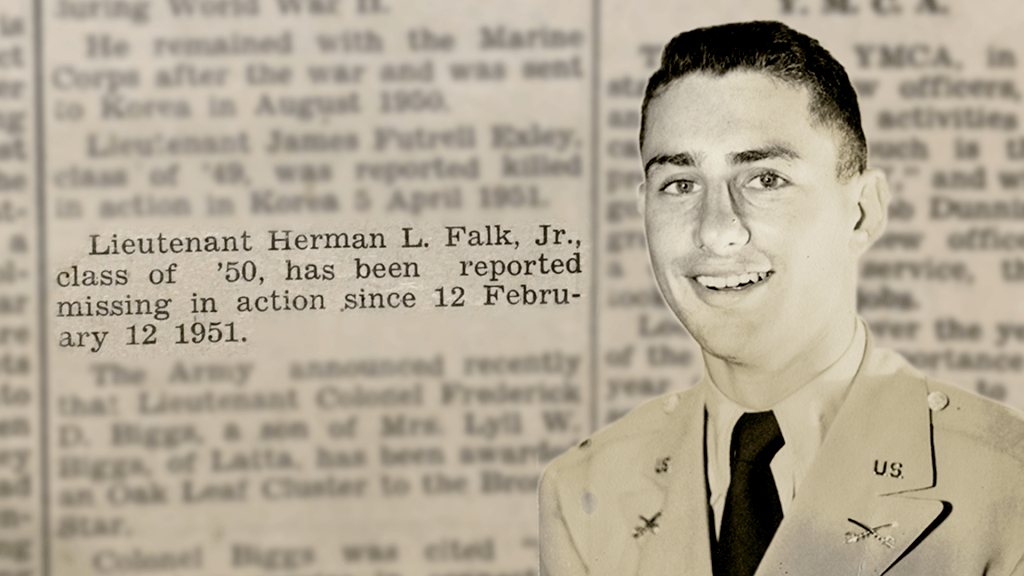
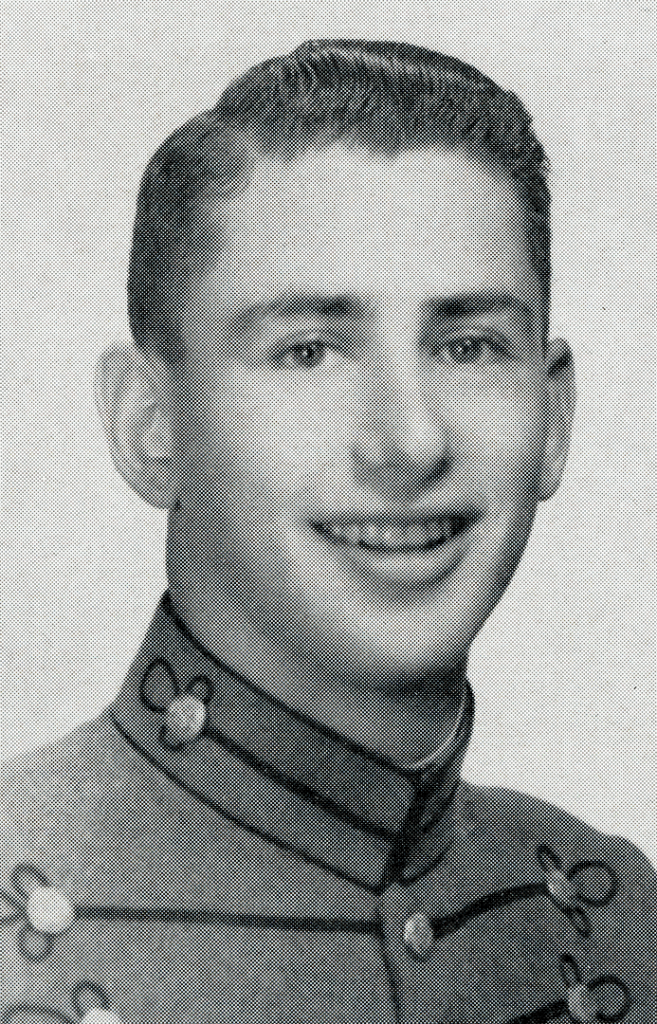
First Lt. Herman Falk, a 1950 graduate of The Citadel in Charleston, South Carolina, went missing with 156 other soldiers from Company B, 38th Infantry Regiment, 2nd Infantry Division, on Feb. 12, 1951, during operations against the Chinese People’s Volunteer Forces near Changboing-ni, Korea.

US troops held as prisoners of war had reported that Herman Falk had died in captivity. These reports surfaced after the war and stated that he died within a few months after his capture at San Bean Camp in North Korea.

On Sept 4 2018: The Defense POW/MIA Accounting Agency (DPAA) announced that the remains of a U.S. serviceman, killed during the Korean War, have been identified as those of Army 1st Lt. Herman L. Falk. Falk, 22, of New York, New York, was accounted for on August 14.

He will be buried in Arlington National Cemetery, the once homestead gardens of Robert E Lee, with full honors in April of 2019.

In July of 2018 North Korea returned 55 boxes of remains to the United States.

“The Citadel has a long tradition of answering when country calls. 1st Lt. Herman Falk is one of the heroes who answered that call,” said Col. John L. Dorrian, vice president for communication and marketing for the Citadel in South Carolina.

Herman FalkSenior Year book 1950 photo of Herman Falk
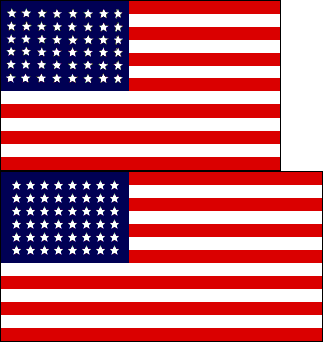
Support our sponsors, the US Flag at the time of the Korean War was a 48 star American flag.

48 Star US FlagSupport our sponsors, the US Flag at the time of the Korean War was a 48 star American flag.

https://apple.news/AcPX50ImQTkuMB-2SUFjmTA


Thanks for reading! We hope you enjoyed our post. Please share with all your fellow patriots. Brought to you by: Ultimate Flags

Posted on

Happy Birthday Robert E Lee

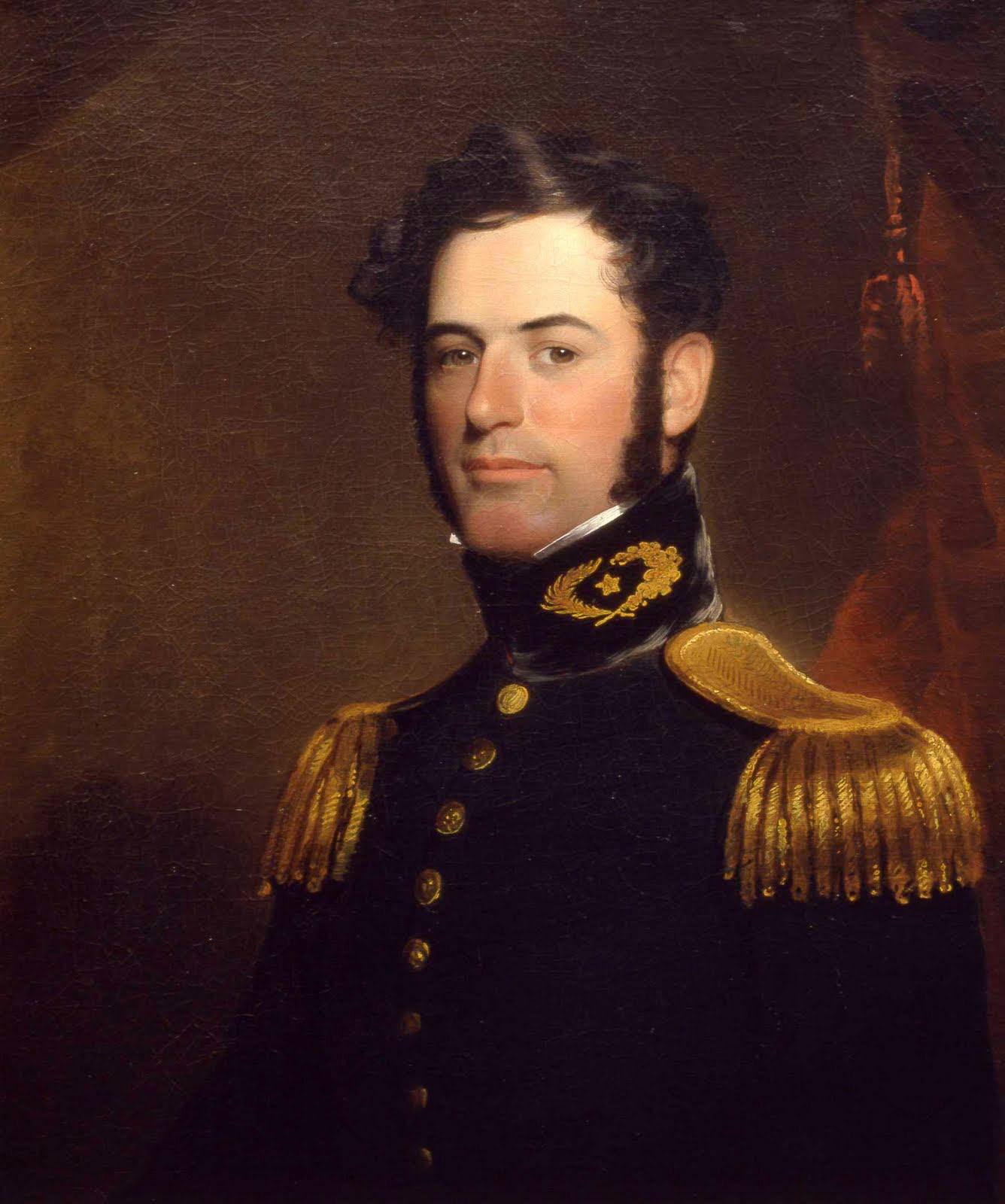
Robert E Lee in 1938

January 19th is a State Holiday in Florida, Monday in Alabama and Mississippi, Friday Nov 29th in Georgia.

Robert E Lee was born on January 19th 1807 in Stanford Hall Virginia. He was a Colonel in the US Army and a General in the Confederate States of America. He was best known as a commander of the  Confederate States Army. He commanded the Army of Northern Virginia in the American Civil War from 1862 until his surrender in 1865. A son of Revolutionary War officer Henry “Light Horse Harry” Lee III, Lee was a top graduate of the United States Military Academy and an exceptional officer and military engineer in the United States Army for 32 years. During this time, he served throughout the United States, distinguished himself during the Mexican–American War, and served as Superintendent of the United States Military Academy.

His father was known as “Light Horse Harry Lee”, a Revolutionary War hero. In 1812, Harry Lee was badly injured in a political riot in Baltimore and traveled to the West Indies. He would never return, dying when his son Robert was eleven years old.

His mother was the daughter of a plantation owner and grew up at Shirley Plantation, one of the most elegant homes in Virginia

Robert E. Lee graduated second in his class at West Point, earning no demerits for discipline infractions during his four years there. At the time, the focus of the curriculum was engineering; the head of the Army Corps of Engineers supervised the school and the superintendent was an engineering officer. In June 1829, Lee was commissioned a brevet second lieutenant in the Corps of Engineers.

Abraham Lincoln, who later became president of the United States, offered Robert E. Lee command of the Union Army in 1861, but Lee refused. He would not raise arms against his native state. Lee resigned his commission and headed home to Virginia, where he served as adviser to Confederate leader Jefferson Davis, and then commanded the Army of Northern Virginia.

After the (corrected from death) wounded of Joseph Johnson in the Battle of Seven Pines, June 1st 1862 Lee became the commander of the army, which he renamed Army of Northern Virginia, his opportunity to lead an army in the field.

Lee’s fame soared when he beat back McLellan out of Virginia in a a series of battles. Subsequently he pushed back into Maryland and Pennsylvania to the battle of Gettysburg in the summer of 1863. The Confederates suffered great losses and beaten back. McLellan flinched and did not finish the job allowing the war to continue. On February 6, 1865, Lee was appointed General in Chief of the Armies of the Confederate States.

After four years of death and destruction, on April 9th 1865  Robert E. Lee met Ulysses S. Grant at Appomattox, Virginia, where the generals ended their battles. Lee told his comrades, “Go home and be good Americans”.

While Lee held slavery to be an evil institution, he also saw some benefit to blacks held in slavery. While Lee helped assist individual slaves to freedom in Liberia, and provided for their emancipation in his own will, he believed the enslaved should be eventually freed in a general way only at some unspecified future date as a part of God’s purpose. Slavery for Lee was a moral and religious issue, and not one that would yield to political solutions

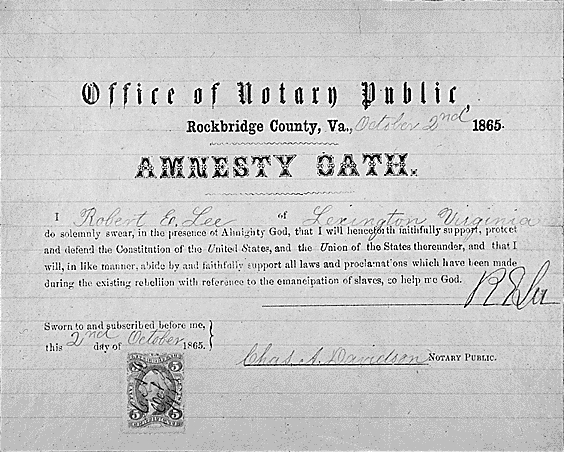
Andrew Johnson issued a Proclamation of Amnesty and Pardon to persons who had participated in the rebellion against the United States. Though there were difficulties on December 25, 1868, Lee was fully pardoned. 

Amnesty Oath of Robert E Lee

Lee was asked to serve as the president of Washington College (now Washington and Lee University) in Lexington, Virginia, and served from October 1865 until his death. His name was used in large-scale fund-raising which transformed the University’s curriculum. During his tenure he is depicted with dignity and respect he commanded among all.

Death:On September 28, 1870, Lee suffered a stroke. He died two weeks later, shortly after 9 a.m. on October 12, 1870, in Lexington, Virginia, from the effects of pneumonia.

A number of monuments, heritage sites, and institutions (including schools) are named after General Robert E. Lee. Among the a prominent statue in New Orleans, sadly torn down in 2017. Arlington House, Robert E Lee Memorial was Lee’s home the Curtis Lee Mansion, the grounds were selected for Arlington National Cemetery in part to ensure that Lee would never again be able to return to his home. In 1953, two stained-glass windows – one honoring Lee, the other Stonewall Jackson – were installed in the Washington National Cathedral

Political leaders in modern history have been quoted to honor him. Winston Churchill said that Robert E. Lee was one of the noblest Americans who ever lived. Lee’s motto is known to be “Duty, Honor, Country.”

General Lee was a great American, American soldier, confederate solider, statesman, leader and figure. He was dignified, respectful and honorable. Today we say HAPPY BIRTHDAY.

Thanks for reading. Please share our posts with your friends and family so they too can learn more about Southern Heritage and History.

Brought to you by: Ultimate Flags

Shop for flags of Robert E Lee on UltimateFlags.com

Confederate Third (3rd) Flag 3′ X 5′ StandardView


Rebel, Confederate Battle Infantry Cotton Flag52 x 52 Inch Rebel, Confederate Battle Infantry Cotton FlagView