Posted on

No Man Can Take These Colors and Live

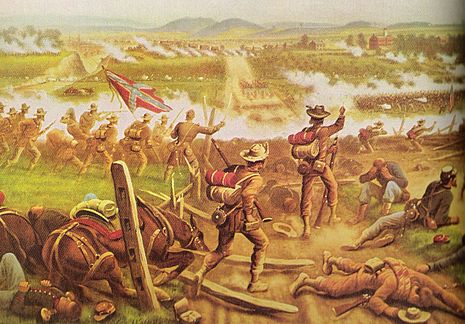
Flags were a vital part of the Civil War battlefield.  They guided soldiers into and through a battle, and identified other groups of men as friend or foe.  Commanders used them to help know what was going on in the disorder and chaos of the field.

Loss of a flag might mean troop confusion, and lead to disaster. A unit’s flag was a source of pride, and its capture could lower morale or bring shame.  In fact, the Union issued many medals for capturing an enemy flag, or saving their own.

It is no wonder men valued them so much, and still do today.

A unit’s flag, or “colors,” was the responsibility of a Color Guard.  This was typically a squad of eight corporals and a color sergeant.  In battle these men took up formation in front of and alongside of the flag.  If the color bearer himself was hit, another member took up the flag.

7 pines flagAs you can imagine, the color bearer was a tempting target.  This was certainly the case when the 26th North Carolina Regiment was ordered forward at Gettysburg.  Within ten minutes nine men went down carrying the battle flag, men we know the names of to this day.  A tenth man, unnamed, took it up and kept moving.  The entire color guard was lost, but another soldier had stepped up as the regiment raced on.

In the words of the Union colonel of the opposing 24th Michigan “Iron Brigade,” the Southerners “came on with rapid strides, yelling like demons” as they swept into the Union lines.  The battle raged, and Lieutenant Blair of the 26th saw the flag was again on the ground.  Knowing how many had been lost carrying it, he exclaimed, “no man can take those colors and live.” Regardless, Lt. Colonel Lane, now commanding the 26th, picked up the flag and yelled, “twenty-sixth, follow me.”  Lane became the 14th man to fall that day while carrying the flag.  (Lane recovered and returned to command the 26th until the end of the war, though not without sustaining several more serious wounds).

A battle flag represented the ideals of the men who followed it into the fire and hell of combat.   Memories of struggle, loss, and glory were sealed into the very fabric of a unit’s flag.  Whether of humble thread and origin, or of the finest silk and carefully sewn, war is hard on a flag.  A Union Officer had this to say after seeing some Confederate battle flags from Pickett’s charge at Gettysburg:

These ‘Rebel’ flags were mostly homemade affairs…. Torn by battle, dirty, and cheap looking, no wonder our boys designated them ‘rebel rags.’

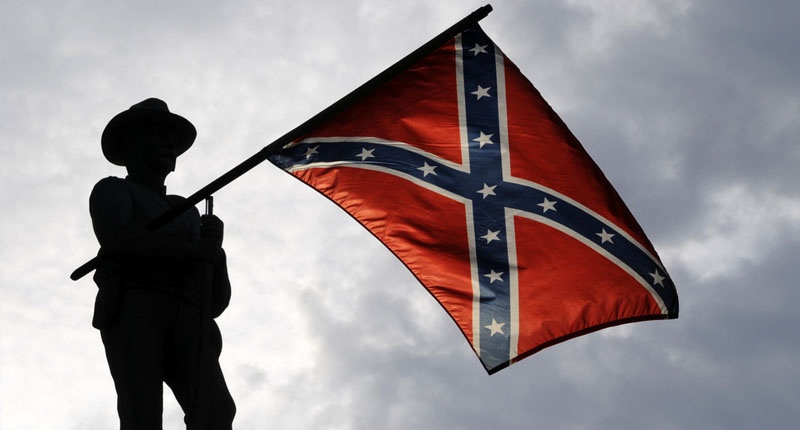
Though scorned by this man, those “rebel rags” had a value to the Southern soldier that is hard to put into words.  We Americans are rightly proud of our Stars and Stripes, and the sight of it flying can make us stand tall, but few of us revere the early flags of the United States as so many Southerners today honor the Southern cross of the Confederacy.  All these years later it can still represent the tough, persistent and, yes,  sometimes rebellious character of the Southern man and woman.

The words of one man describe well the meaning of this flag to those who served under it.  Randolph Harrison McKim enlisted as a Confederate private, and rose to be a lieutenant and a chaplain in that army.  After the war he served for 32 years as the pastor of the Episcopal Church of the Epiphany in Washington, D.C.  This is from a speech he gave to the United Confederate Veterans at their 1904 reunion in Nashville, Tennessee:

This is now for us an indissoluble Union of indestructible States. We are loyal to that starry banner…And yet, to-day, while that banner of the Union floats over us, we bring the offering of our love and loyalty to the memory of the flag of the Southern Confederacy.

     More than 100 years later these words still ring true for many.  Most have cast off certain values that gripped so many in both North and South of the nineteenth century.   But other timeless virtues are still embodied in the men and women of the South, and for many them this flag is a symbol of that spirit.

What does the Confederate flag mean to you? Tell us in the comments below.  Thanks for reading. If you enjoyed this post, please share with friends/family on social media. Brought to you by: Ultimate Flags

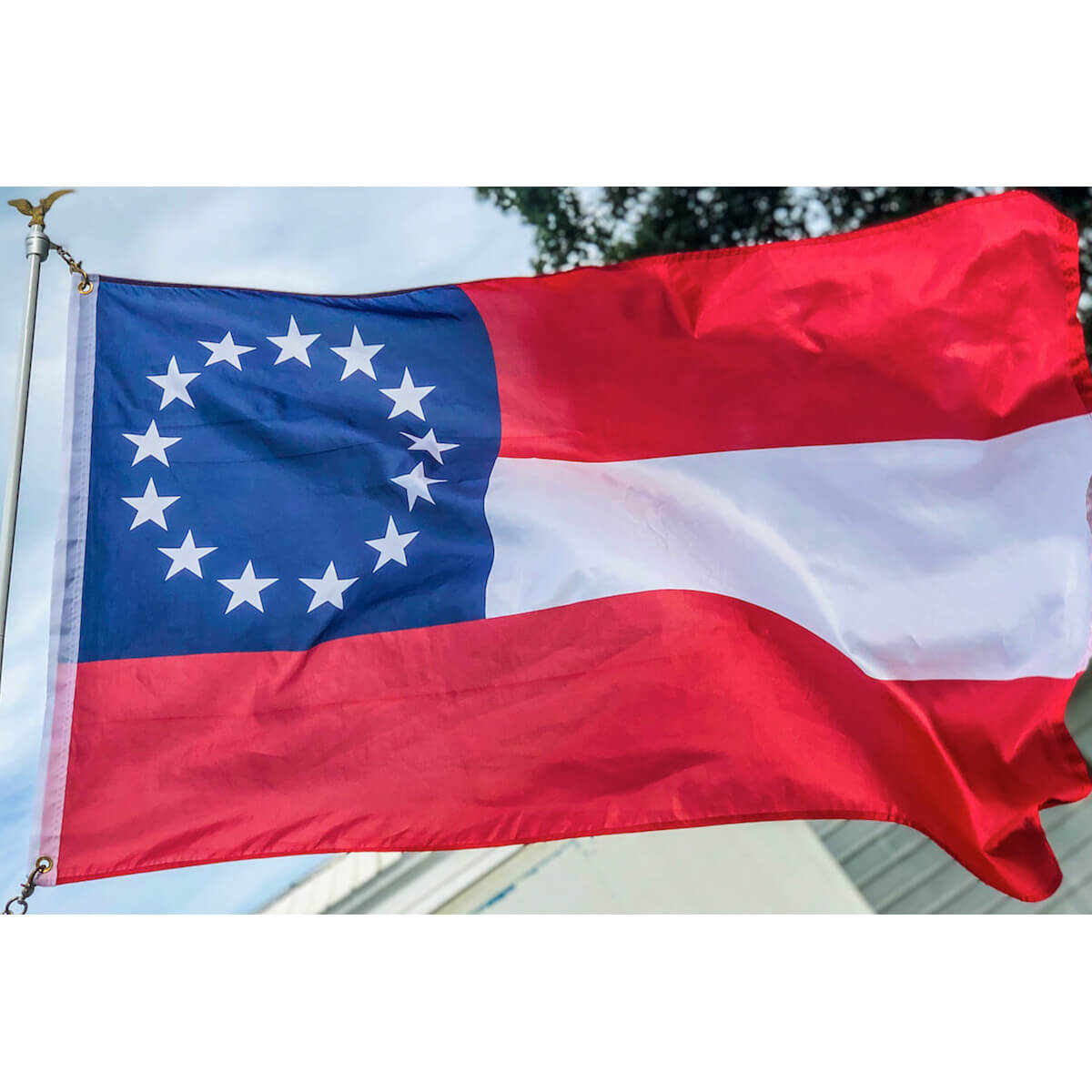
1st National Confederate Flag

aka The Stars & Bars

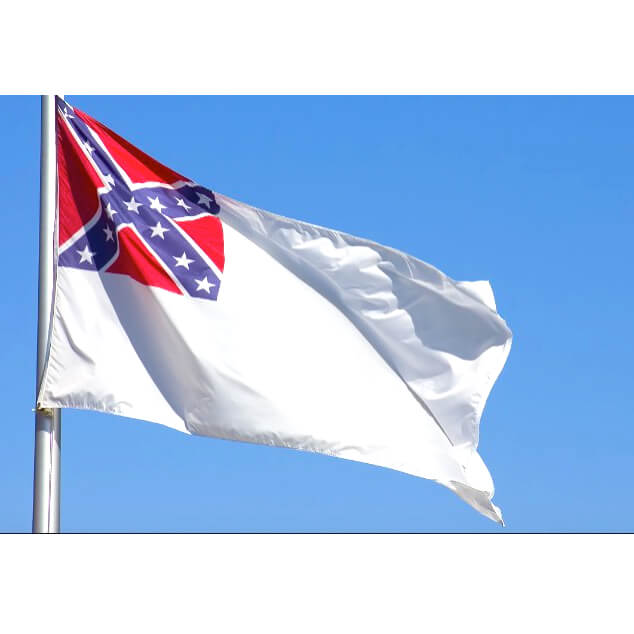
2nd national confederate flag2nd National Confederate Flag

aka Stainless Banner

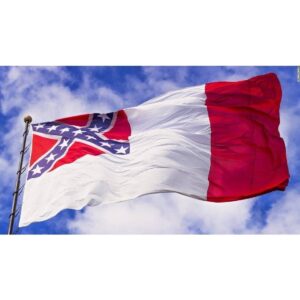
3rd National Confederate Flag

aka Blood Stained Banner

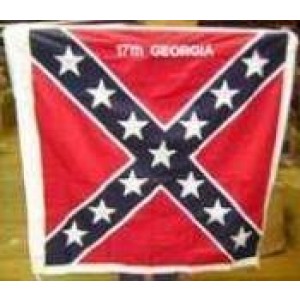
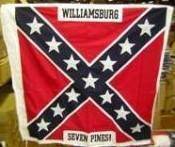
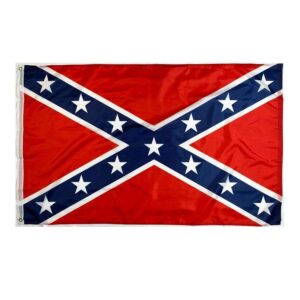
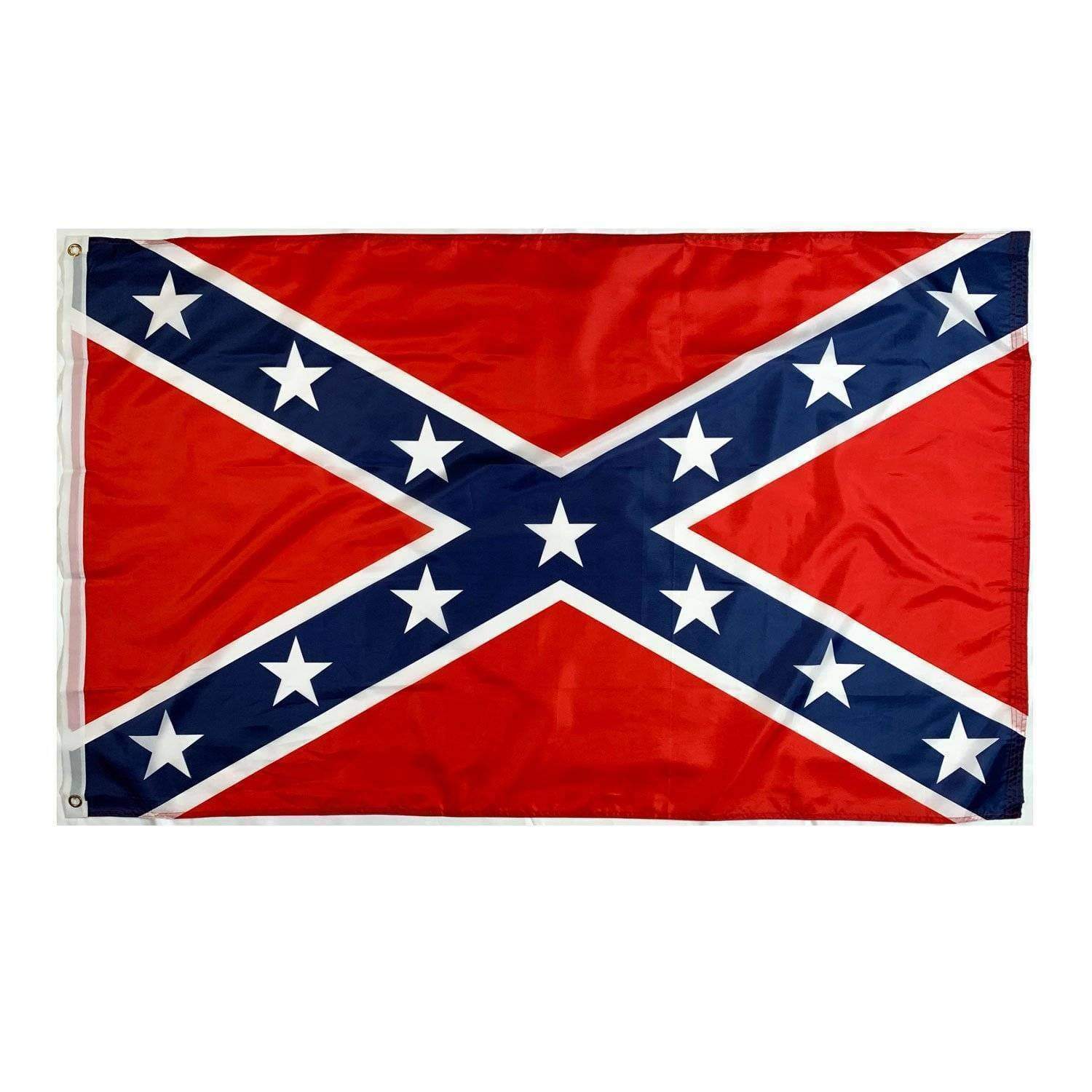
buy rebel flagConfederate Battle Flag

aka Confederate Naval Jack

Posted on

Why we sell things that “offend” people

Resisting tyranny is not for the timid

We are here to help you change the world with your ideas and values.

Despite threats of boycott, pressure from media, name-calling and other harassment, we put principle ahead of profit and insist on selling items that buck the system and that might be seen as “offensive” to some. Recent offerings include Confederate flags, Don’t Tread on Me Flags and the “Make America Great Again” caps. We’ve also caught a lot of grief (and some poorly written hate mail) for providing this flag.

To seize power, the first thing tyrants must do is co-opt, re-define or eliminate the words and symbols of freedom.

Continue reading Why we sell things that “offend” people

Posted on

What is behind the scape-goating of the rebel flag?

How an attack on gun rights got out of hand.

In late June of this year a tragedy in Charleston occurred with the murder of several black church members.  Many believe that this was orchestrated (or at least used) as a basis for a fresh attack on 2nd amendment rights in the United States. Indeed, an anti-gun law was proposed immediately in the US Congress (apparently already written) with the goal to ride the emotional wave and further chip away at gun rights. This play has been run several times in recent years.

However, in the hours after the attack, major independent new organizations like Drudgereport.com did not follow the party line. They cited evidence that this was yet another mass killer reportedly on prescription mind-altering pharmaceutical drugs. Over the last few years nearly every occasion of mass murder in the United States have been linked to the use of these legal drugs. Even the makers of these medications admit that many of them may cause homicidal and suicidal thoughts in those who take them. Mass violence is apparently also a side-effect.

Continue reading What is behind the scape-goating of the rebel flag?

Posted on

George Washington Leadership: Betsy Ross Flag in Revolutionary War Battles

During the tumultuous events of the American Revolution, the strategic leadership of General George Washington played a pivotal role in shaping the outcome of key Revolutionary War battles. The intricate design of the Betsy Ross Flag in these historic conflicts symbolized unity and hope, boosting morale among Patriot soldiers as they fought for independence.

As the Patriot flag creator, Betsy Ross infused the flag with deep symbolism that resonated with the values of freedom and resilience cherished by the American colonies.

In the crucible of American Revolution conflicts, the presence of the Betsy Ross flag served as a beacon of unity and determination, inspiring those on the battlefield to strive for sovereignty. The flag’s symbolism in the Revolutionary War battles reflected the bravery and unity of the American Revolution conflicts.

Click here to learn more about: betsy ross flags

Flag design in Revolutionary War

Flags during the Revolutionary War served as important symbols that boosted morale and instilled patriotism among soldiers on both sides. The design of these flags was not just for show; it was a strategic tool used to rally troops and inspire them to fight for their beliefs.

Different flag designs were utilized by the American and British forces, each embodying their own unique values and ideals.

The impact of flag design on the outcome of battles cannot be overstated, as it served as a unifying force for troops in the face of adversity.

This legacy of flag design in the Revolutionary War continues to influence modern American flags, symbolizing the spirit of unity and resilience that defined this crucial period in history.

George Washington Leadership: Betsy Ross Flag in Revolutionary War Battles

Washingtons military strategies

During the Revolutionary War, George Washington’s military maneuvers were pivotal in securing victories for the Continental Army against the British forces. Washington’s military strategies and Continental Army victories were key factors in the ultimate success of the American colonies.

His strategic brilliance and unwavering determination were crucial in outmaneuvering the enemy and leading the Continental Army to victory

Key Points About George Washington’s Military Strategies

  • Washington’s military maneuvers were pivotal in securing victories for the Continental Army
  • His strategic brilliance played a crucial role in outmaneuvering the British forces
  • Continental Army victories were key factors in the ultimate success of the American colonies

Betsy Ross flag symbolism

The history of the Betsy Ross flag is rich with symbolism, reflecting the values and spirit of a young nation. From its origins in the Revolutionary flag history to its role in Colonial era battles, this iconic flag represents the unity and pride of America.

George Washington’s victories and the Liberty Bell battles further enhance the significance of this enduring symbol of American Revolution campaigns

Battle of Yorktown

During the Revolutionary War, a pivotal moment unfolded at Yorktown, showcasing General George Washington’s strategic brilliance and the crucial role played by the French navy in securing a decisive victory against British forces. The surrender of British General Cornwallis marked a significant turning point, solidifying the American colonies’ quest for independence.

The impact of this historic event reverberated throughout history, shaping the course of Early American wars and the conflicts faced by the Founding Fathers in their quest for liberty

Key Points About the

  • General George Washington’s strategic brilliance was crucial in securing victory
  • The French navy played a pivotal role in defeating British forces
  • The surrender of British General Cornwallis marked a significant turning point
  • The impact of the shaped the course of Early American wars

George Washingtons victories

During his tenure as the commander-in-chief of the Continental Army, George Washington showcased his remarkable leadership skills in various battles that shaped American history. Washingtons war leadership was evident in significant skirmishes such as the Continental Army battles of Trenton, Saratoga, and Yorktown.

These pivotal events not only highlighted Washington’s strategic leadership acumen but also served as a source of inspiration for his troops, rallying them to fight for the noble cause of liberty.

The Historic American battles is intricately linked with Washington’s victories, symbolizing the unwavering spirit and determination of the American people

Stars and Stripes origins

Throughout American history, the iconic flag, known for its symbolic design, has played a vital role in shaping the nation. From its origins in Early American conflicts to its evolution into the familiar Stars and Stripes we know today, the flag has stood as a powerful emblem of unity and strength.

Key figures like George Washington and Betsy Ross were instrumental in the creation and adoption of the flag, while its connection to Revolutionary War engagements highlights its significance in shaping the country.

As the design of the flag evolved through Colonial flag design, each element held a specific meaning that resonated with the Continental Army campaigns and beyond. The flag’s journey symbolizes not just a piece of cloth, but a rich tapestry of Revolutionary War engagements, Early American conflicts, Colonial flag design, Continental Army campaigns, and Stars and Stripes creation.

Key Points About the American Flag

  • The American flag has played a vital role in shaping the nation’s history
  • Key figures like George Washington and Betsy Ross were instrumental in the creation and adoption of the flag
  • The flag’s design evolved from Early American conflicts to the familiar Stars and Stripes we know today
  • Each element of the flag’s design held a specific meaning that resonated with Revolutionary War engagements and Colonial flag design

Liberty Bell battles

The Liberty Bell, a cherished symbol of American history, is steeped in significance that goes beyond its well-known crack. During the Revolutionary War, this iconic bell served as a powerful emblem of hope and unity for the colonists.

Its ringing inspired patriotism and resilience among the troops, echoing through the streets during American Revolution skirmishes and reminding all of the true spirit of independence.

The were not just physical conflicts; they were a testament to the Founding Fathers tactics and Washington’s battlefield victories in the fight for liberty

American Revolution campaigns

The strategic significance of key campaigns during the American Revolution era sheds light on the critical role of military leaders and the innovative tactics employed in shaping the outcome of battles. This pivotal period in history saw the emergence of new warfare strategies, such as guerrilla tactics, which added a unique dimension to traditional military approaches.

Revolutionary War sieges and Patriot flag designs played a crucial role in turning the tide of the war and securing victory for the Continental Army triumphs.

Stars and Stripes significance in Historic American campaigns further underscored the importance of key battles in shaping the future of the United States

Key Campaigns Guerrilla Tactics Patriot Flags Stars and Stripes
Strategic significance in shaping battles Added unique dimension to warfare strategies Crucial role in turning the tide of war Significance in Historic American campaigns
Critical role of military leaders Emergence of new warfare strategies Securing victory for Continental Army Underscored importance of key battles

Declaration of Independence: The Betsy Ross Flag in Revolutionary War Battles
Betsy Ross Flags Role in the Revolutionary War: Battle of Bunker Hill Revealed

Posted on

Betsy Ross Flags Role in the Revolutionary War: Battle of Bunker Hill Revealed

In the annals of history, Betsy Ross emerges as a pivotal figure whose contributions lay at the heart of the American Revolution. Her creation of the iconic American flag, now known as the Betsy Ross flag, played a crucial role in boosting morale and unifying the colonies during the Colonial Wars.

The significance of this enduring symbol was particularly evident during the Battle of Bunker Hill, where it served as a powerful emblem of freedom and patriotism.

With its thirteen stars and stripes representing the original thirteen colonies, the Betsy Ross flag continues to inspire generations with its legacy rooted in the Revolutionary War

Click here to learn more about: betsy ross flags

Betsy Ross flag in the American Revolution

During the turbulent period of the American Revolution, a symbol of unity and patriotism emerged in the form of a meticulously designed flag. Betsy Ross, a skilled seamstress hailing from Philadelphia, is widely acknowledged as the creator of this iconic flag, featuring thirteen stars and stripes representing the original colonies.

The detailed symbolism embedded in each element of the flag served as a source of inspiration for the Minutemen as they rallied for Independence War.

The sight of the flag waving proudly in the hands of the Continental Army boosted morale and fueled the spirit of liberty during the struggle against the Redcoats.

The legacy of the Betsy Ross flag endures as a powerful reminder of the sacrifices made during the Independence War, symbolizing the enduring values of freedom and unity

Betsy Ross Flags Role in the Revolutionary War: Battle of Bunker Hill Revealed

Colonial Wars and the Betsy Ross flag

The conflicts of the 18th century, including the French and Indian War, set the stage for the American Revolution. One of the most recognizable symbols of this period is the Betsy Ross flag, with its iconic circle of 13 stars on a blue background.

This flag is a powerful representation of American ideals and sacrifices.

The Founding Fathers held the Betsy Ross flag in high regard, seeing it as a symbol of unity and patriotism.

The flag has come to symbolize the struggle for independence and the birth of a new nation.

the Betsy Ross Flag

  • The Betsy Ross flag is a symbol of unity and patriotism
  • Founding Fathers held the flag in high regard
  • The flag represents the struggle for independence
  • It is an iconic symbol of American ideals and sacrifices

Paul Revere and the Betsy Ross flag

During the early days of the American Revolution, a pivotal figure emerged who played a crucial role in rallying the colonists against British oppression. Paul Revere, known for his famous midnight ride to warn the Sons of Liberty about the impending attack on Lexington and Concord, became a symbol of patriotism and resistance.

As a skilled silversmith, Revere’s craftsmanship mirrored his dedication to the cause of independence alongside luminaries like George Washington and Thomas Jefferson.

Despite humble beginnings, Revere’s unwavering commitment to freedom solidified his place in American history as a founding member of the revolutionary movement.

Minutemen and the Betsy Ross flag

During the American Revolutionary War, the Minutemen stood as a dedicated militia always prepared to defend freedom and independence. The iconic Betsy Ross flag, with its stars and stripes, symbolizes the shared commitment of early American patriots.

Throughout history, key figures like Marquis de Lafayette and Benjamin Franklin have left lasting legacies, shaping the future of the United States.

The events of the Boston Tea Party and the battles of Philadelphia, Trenton, and Saratoga showcase the bravery and determination of those who fought for liberty.

These unique historical facts underscore the significance of the in American history.

Continental Army and the Betsy Ross flag

The American Revolution saw the emergence of a determined force, led by General George Washington and supported by the Continental Congress, in the fight for independence against British rule. This pivotal moment in history culminated in the Surrender of Cornwallis, leading to the signing of the Treaty of Paris and the eventual victory of the Continental Army.

The perseverance of the army, despite facing opposition from Loyalists and hired Hessian soldiers, was symbolized by the iconic Betsy Ross flag, representing unity and determination in the American colonies

Redcoats and the Betsy Ross flag

The British soldiers, recognized as Redcoats, played a crucial role in the American War of Independence. Their leader, General Burgoyne, faced defeat in key Battles of the Revolutionary War, such as the Battle of Saratoga.

The iconic Betsy Ross flag symbolized unity and resilience during crucial moments like the Battle of Trenton and the Battle of Yorktown.

This flag continues to hold significance in American history, representing patriotism and the spirit of the colonies.

the British Soldiers in the American War of Independence

  • General Burgoyne led the British soldiers in key Battles of the Revolutionary War
  • The Battle of Saratoga resulted in defeat for the British soldiers
  • The Betsy Ross flag symbolized unity and resilience during the Battle of Trenton
  • The Betsy Ross flag continued to hold significance in American history, representing patriotism and the spirit of the colonies

Independence War and the Betsy Ross flag

During the Revolutionary Era, the Betsy Ross flag stands as an enduring symbol of America’s early history, cherished by many for its unique design and deep historical significance. Linked closely to the American Colonies, this iconic flag represents unity and freedom during a tumultuous time in the American Colonies.

Crafted by the skilled hands of Founding Mother Betsy Ross, the flag serves as a poignant reminder of the sacrifices made by American Patriots and American Revolutionaries in their pursuit of liberty.

Delving into the captivating narrative behind the Betsy Ross flag unveils its pivotal role in the fight for independence and its enduring legacy as a symbol of the Revolutionary Era

Liberty Bell and the Betsy Ross flag

The enduring legacy of the Liberty Bell and the Betsy Ross Flag is deeply rooted in the history of America. These two iconic symbols have long been revered for their representation of freedom and unity, embodying the spirit of the Revolutionary Soldiers who fought for Colonial Rebellion.

The design and symbolism of the Betsy Ross Flag reflect the ideals of the Thirteen Colonies and the sacrifices made during the War for Independence.

Today, these symbols serve as powerful reminders of the courage and resilience of our ancestors in Colonial America

George Washington Leadership: Betsy Ross Flag in Revolutionary War Battles
Betsy Ross Flag Wars and Battles in the Revolutionary War

Posted on

Betsy Ross Flag Wars and Battles in the Revolutionary War

The historical significance of the Betsy Ross flag cannot be understated. Its enduring design has come to embody the spirit of the fight for freedom during the American Revolution.

Crafted by Philadelphia seamstress Betsy Ross at the behest of the Founding Fathers, this iconic flag played a pivotal role in boosting morale and patriotism among troops in battles throughout the Colonial Rebellion.

The adoption of the flag by the Continental Congress in 1777 marked a turning point in the fight for independence, solidifying its place as a central symbol in the newly declared Independence War. As it fluttered proudly in the winds of battles, the American flag became a symbol of unity and freedom for the new nation.

Click here to learn more about: betsy ross flags

Battle of Lexington

The dawn of April 19, 1775 brought with it a pivotal moment in American history, as tensions between opposing forces reached a boiling point. The events that unfolded on this fateful day not only sparked the flames of revolution but also showcased the unwavering resolve and bravery of those who stood against tyranny.

As British troops advanced towards the towns of Lexington and Concord, the stage was set for a conflict that would define the struggle for independence.

The sound of musket fire echoed through the countryside, signaling the beginning of a long and arduous for freedom.

The sacrifices made by the Patriots in the face of overwhelming odds would not be forgotten, as their courage inspired countless others to join the fight for liberty. The marked the beginning of the American Revolutionary War.

Betsy Ross Flag Wars and Battles in the Revolutionary War

Concord

, a significant location in American history, holds a pivotal place in the story of the Revolutionary War. The events that transpired in this town had a profound impact on the ultimate outcome of the conflict.

Throughout the battles that unfolded in , key figures such as the Minutemen and Sons of Liberty played crucial roles in shaping the course of history.

The aftermath of these skirmishes rippled throughout the colonies, leading to further conflicts like the Saratoga Campaign and the Siege of Yorktown.

Eventually, the Treaty of Paris solidified the newfound independence of the United States, with serving as a symbol of the unwavering determination and resilience of the American people

and Bunker Hill

The courageous soldiers of the American forces, under the leadership of key figures like General Israel Putnam and Colonel William Prescott, displayed unmatched determination during the Battle of Bunker Hill in the Revolutionary War. The Continental Army, engaging in a fierce struggle for strategic advantage, faced the British troops in a monumental clash that would leave a lasting impact on the fight for independence.

Despite the eventual retreat caused by a shortage of ammunition, the Americans managed to inflict significant losses on their British adversaries, showcasing their strength and resilience in the face of adversity.

This pivotal moment in history not only provided a morale boost for the Continental Army but also inspired them to continue their relentless pursuit of freedom

Valley Forge: Crucial Turning Point

Valley Forge, a significant moment in the history of the United States, marked a crucial juncture during the Revolutionary War. Despite encountering various obstacles, the soldiers stationed at this location were guided by prominent leaders including George Washington and Thomas Jefferson.

Through strict training and discipline, these soldiers were molded into a strong and formidable unit.

The impact of Valley Forge on the ultimate outcome of the war cannot be overstated, as it played a vital role in bolstering the determination of the American troops.

This historic site serves as a poignant reminder of the sacrifices made by individuals like John Hancock and Marquis de Lafayette in the pursuit of independence

Saratoga Campaign: Key to Victory

The strategic significance of the Saratoga Campaign in the American Revolutionary War cannot be underestimated. It served as a crucial turning point, with key battles such as the Battle of Trenton, Battle of Princeton, Battle of Cowpens, Battle of Guilford Courthouse, Battle of Kings Mountain, and Battle of Camden shaping the course of the conflict.

These events were instrumental in securing American independence and continue to be studied by military strategists for their lasting impact.

Siege of Yorktown: Final Showdown

The Siege of Yorktown, also known as the Final Showdown, was a pivotal battle in the Revolutionary War that ultimately led to the end of British rule in America. Taking place from September 28 to October 19, 1781, in Yorktown, Virginia, this significant event was the last major battle of the Revolutionary War and a crucial moment in American history.

After the Battle of Brandywine and the Battle of Germantown, General Washington’s Continental Army engaged in a series of skirmishes with the British forces, leading up to the final showdown at Yorktown.

This decisive battle involved key figures such as the Marquis de Lafayette, General Cornwallis, and Admiral De Grasse, and ultimately sealed the fate of British control in America.

Key Points About the Siege of Yorktown

  • General Washington’s Continental Army engaged in skirmishes with British forces before the final showdown at Yorktown.
  • The Siege of Yorktown took place from September 28 to October 19, 1781, in Yorktown, Virginia.
  • The Marquis de Lafayette, General Cornwallis, and Admiral De Grasse were key figures in the decisive battle.
  • The Siege of Yorktown marked the end of British rule in America and was a crucial moment in American history.

Treaty of Paris: Treaty that Ended It All

The Treaty of Paris, signed in September 1783, marked a significant turning point in history. This pivotal agreement solidified the independence of the United States following the Revolutionary War.

One of the key players in negotiating this crucial treaty was Benjamin Franklin, who played a vital role in securing favorable terms for the young nation.

The Treaty of Paris not only brought an end to hostilities between Great Britain and the United States but also established new boundaries that would shape the future of the country.

Its impact continues to resonate in American history, setting the stage for the nation to emerge on the global scene.

Minutemen vs. Redcoats: Intense Conflict

Delving into the historic clash between two formidable forces during a pivotal moment in American history, we uncover the bravery and sacrifice of soldiers whose actions shaped the course of the Revolutionary War.

The Minutemen, a civilian militia group renowned for their rapid response time and guerrilla warfare tactics, played a crucial role in challenging the British Redcoats.

The iconic Battles of Lexington and Concord marked the beginning of this fierce rivalry, leading to significant events such as the Crossing of the Delaware and Surrender of Cornwallis.

These moments showcased the Minutemen’s determination and ultimately led to the defeat of the Redcoats, culminating in Evacuation Day and the establishment of the Second Continental Congress. The Liberty Bell stands as a symbol of American independence and freedom.

Betsy Ross Flags Role in the Revolutionary War: Battle of Bunker Hill Revealed
Wars and Battles of the Betsy Ross Flag in American History

Posted on

Wars and Battles of the Betsy Ross Flag in American History

Throughout early American history, conflicts and military engagements have played a vital role in shaping the legacy of the iconic Betsy Ross Flag. The flag’s symbolism was deeply intertwined with the events of the American Revolution, particularly the pivotal role it played in boosting morale within the Continental Army during key battles.

Inspired by the flag’s design, the Founding Fathers incorporated its imagery into the Declaration of Independence, solidifying its status as a timeless emblem of American patriotism and resilience.

The 13 Colonies rallied under the banner of the Betsy Ross Flag, uniting in defiance against British rule and fighting for their independence in the Revolutionary War. This enduring symbol has stood the test of time, representing the spirit of the American Revolution, 13 Colonies, Continental Army, Declaration of Independence, Founding Fathers, and Revolutionary War.

Click here to learn more about: betsy ross flags

Betsy Ross Flag in Battle of Trenton

During the decisive Battle of Trenton in the Revolutionary War, the iconic Betsy Ross flag served as a powerful symbol of unity and resilience, inspiring soldiers as they faced the challenges of war. With its Stars and Stripes design waving proudly in the wind, the flag became a beacon of hope and courage for General George Washington’s troops as they crossed the icy Delaware River on Christmas night in

This symbol of American patriotism played a crucial role in boosting morale and uniting the Thirteen Colonies in their fight for independence.

The legacy of the Betsy Ross flag continues to endure as a powerful reminder of the sacrifices made for liberty and freedom.
Wars and Battles of the Betsy Ross Flag in American History

Battle of Princeton
– Significance of Stars and Stripes in Revolution
– Role of Betsy Ross Flag in Valley Forge
– Impact of Old Glory in Battle of Yorktown
– Connection between Betsy Ross Flag and Paul Revere
– Betsy Ross Flag at Battle of Bunker Hill

As the American colonies waged war against British rule, the Stars and Stripes emerged as a powerful symbol of unity and defiance. George Washington, leading the troops at Valley Forge, found inspiration in the Betsy Ross Flag’s message of perseverance during the harsh winter of 1777-

In the decisive Battle of Yorktown, Old Glory stood as a beacon of victory for American and French forces.

The connection between the Betsy Ross Flag and Paul Revere underscores the collaborative spirit of the Revolution.

At the pivotal Battle of Bunker Hill, the Betsy Ross Flag flew proudly, marking another momentous chapter in the fight for independence

the Betsy Ross Flag

  • George Washington found inspiration in the Betsy Ross Flag’s message of perseverance during the harsh winter of 1777-1778 at Valley Forge.
  • Old Glory stood as a beacon of victory for American and French forces in the decisive Battle of Yorktown.
  • The connection between the Betsy Ross Flag and Paul Revere underscores the collaborative spirit of the Revolution.
  • At the pivotal Battle of Bunker Hill, the Betsy Ross Flag flew proudly, marking another momentous chapter in the fight for independence.

Lexington
– Betsy Ross Flags Role in Continental Army
– Influence of Stars and Stripes in Liberty Bells history

The role played by Betsy Ross in crafting the inaugural American flag was instrumental in boosting morale within the Continental Army during the Revolutionary War. The Stars and Stripes served as a powerful emblem of patriotism and solidarity, igniting the passion for independence among the fighters.

It signified more than just a mere piece of cloth; it embodied the values of freedom and liberty that the Patriots, Minutemen, and Sons of Liberty fought valiantly for.

This enduring influence of the Stars and Stripes could also be witnessed in the narrative of the Liberty Bell, further strengthening the profound connection between the flag and the concept of the American identity.

Betsy Ross Flag in the Battle of Trenton

The enduring legacy of the Betsy Ross Flag in American history can be traced back to its role during the Revolutionary War. This iconic symbol of unity and patriotism became a beacon of hope for the American troops, especially during pivotal moments such as the Battle of Trenton.

Inspired by the bravery and resilience of the soldiers, Betsy Ross meticulously crafted the flag as a testament to the indomitable spirit of the colonists in their quest for independence.

The flag’s significance extends beyond its visual appeal, serving as a powerful emblem of defiance against British rule and a rallying point for the Continental Congress and their allies.

As American forces faced off against the formidable British army, the presence of the Betsy Ross Flag served as a reminder of the sacrifices made in the name of freedom. Its stars and stripes stood as a testament to the perseverance and determination of those who fought for liberty, making the ideals of the Continental Congress, Thomas Jefferson, and the Treaty of Paris a reality.

the Betsy Ross Flag

  • The Betsy Ross Flag served as a symbol of unity and patriotism during the Revolutionary War
  • Betsy Ross crafted the flag as a testament to the indomitable spirit of the colonists in their quest for independence
  • The flag was a powerful emblem of defiance against British rule and a rallying point for the Continental Congress and their allies
  • The stars and stripes of the flag stood as a testament to the perseverance and determination of those who fought for liberty

Battle of Saratoga

One of the most pivotal events in American history, the stands as a testament to the resilience and valor of the American troops during the American Revolutionary War. In the autumn of 1777, forces led by General John Burgoyne advanced southward from Canada with the intention of splitting the rebellious colonies.

The American troops, including generals Horatio Gates and Benedict Arnold, put up a fierce resistance that culminated in a decisive victory.

This triumph not only uplifted the spirits of the American forces but also persuaded France to openly lend their support to the American cause.

The surrender of Burgoyne’s army at Saratoga heralded a momentous occasion that would ultimately pave the way for the independence of the United States. The involvement of key figures like John Adams, Benjamin Franklin, Marquis de Lafayette, and Hessians, shaped the outcome of pivotal battles such as the Battle of Long Island and the Battle of Trenton.

Battle of Yorktown

The pivotal conflict known as the , which stands as a crucial moment in the Revolutionary War, marked a significant shift in the fight for American independence. To grasp the full significance of this event, it is essential to delve into the background of the larger conflict, which involved key figures such as General George Washington and General Charles Cornwallis.

Tactical maneuvers and strategic decisions, including the successful siege by French forces, played vital roles in securing the American victory.

This historic clash had far-reaching consequences, culminating in the eventual surrender of the British and the signing of the Treaty of Paris in 1783, solidifying the United States as a sovereign nation.

George Washingtons Role

George Washington’s tremendous impact on the formation of the United States and its early development is unparalleled. Throughout the Revolutionary War, his exceptional leadership was pivotal in securing independence for the nation.

Leading American forces in key battles such as the Battle of Kings Mountain, Battle of Camden, and Battle of Charleston, Washington made strategic decisions that ultimately led to victory.

His influence extended beyond the battlefield, as he played a significant role in the creation of the Betsy Ross flag, symbolizing the birth of a new nation.

Washington’s legacy continues to shape future wars and conflicts, cementing his place in American history.

Importance of Valley Forge

Valley Forge, situated in Pennsylvania, holds a significant place in American history as a pivotal site in the Revolutionary War. This location became a turning point for the Continental Army, as soldiers endured extreme hardships during the harsh winter of 1777-.

The sacrifices made at Valley Forge by these soldiers, under the leadership of George Washington, ultimately shaped the outcome of the war and contributed to American independence.

Lessons learned from this critical moment continue to resonate in our nation’s history, highlighting the perseverance and determination of those who fought for freedom.

The Battle of Oriskany played a crucial role in the overall strategy of the Revolutionary War, showcasing the resilience and courage of American forces in the face of adversity

Facts About Valley Forge and the Revolutionary War

  • Valley Forge was a pivotal site in the Revolutionary War
  • Soldiers at Valley Forge endured extreme hardships during the winter of 1777-1778
  • The sacrifices made by soldiers at Valley Forge under George Washington’s leadership shaped the outcome of the war
  • The Battle of Oriskany played a crucial role in the overall strategy of the Revolutionary War

Betsy Ross Flag Wars and Battles in the Revolutionary War
Betsy Ross Flag: Unveiling Its Revolutionary History