Collectors’ historical flag shopping is the selection of period-associated flag designs to build a collection or display that matches a documented historical subject. When browsing historical flags for sale, start with the design’s identity and your intended use; Shop Ultimate Flags to compare historical designs, then check each listing against your collection requirements.
- Ultimate Flags suits collectors seeking historical flag designs, including Betsy Ross, Washington headquarters, and 48-star USA flags.
- Choose historical flags for sale by documented design, intended display, dimensions, and construction—not the name alone.
- A newly made historical reproduction is not a period artifact; age and provenance require separate evidence.
- For a collection, record the design reference and seller description before purchasing.

Why historical flag selection matters for collectors
A historical flag has two identities: the design it represents and the physical object you are buying. Those identities need separate checks. A recognizable pattern does not establish an item’s age, and a historical name does not explain every detail of its design.
Collectors also need more than a flag that looks right from across the yard. Star arrangement, inscriptions, proportions, and associations affect whether a purchase fits a particular collection. Choose the historical subject first, then choose the object that represents it.
For your buying list, separate requirements from preferences. The correct design belongs under requirements; a preferred fabric or display size belongs under preferences unless your exhibit demands otherwise. That distinction keeps an appealing photograph from overruling the purpose of the purchase.
How to choose historical flags for your collection
Define the collection’s purpose
Start with a written description of what you collect. American Revolution designs, former state flags, military-associated flags, and changing national designs are different collecting subjects. A broad collection can include them all, but each purchase still needs a reason to belong.
European historical banners make a good example of a focused subject. A collection tracing imperial symbols might start with the Holy Roman Empire flag, the black imperial eagle on gold carried by the emperors until the empire ended in 1806, and then follow those black-and-gold colors into the flag of the Austrian Empire. Each flag in that sequence has a clear reason to belong: it shows one stage in how a single emblem changed over time.
Decide whether you want a wall display, an outdoor flag, a teaching aid, or an object for historical study. An outdoor display puts exposure and mounting first. A reference collection puts identification and documentation first. Neither approach is wrong, but they lead to different purchases.
For a collection plan, finish this sentence before shopping: this flag belongs because it represents a particular place, organization, event, or design change. If you cannot finish it, leave the purchase undecided.
- Write the historical subject in plain language.
- Identify the intended display location.
- Decide whether you want a reproduction or a documented period artifact.
- List the design details that are essential.
- Separate must-have features from personal preferences.
Verify the design against a reliable reference
Research the pattern before comparing listings. A familiar nickname is a starting point, not a complete identification. Look for a museum collection record, government history resource, archive, or scholarly reference that shows or describes the relevant design.
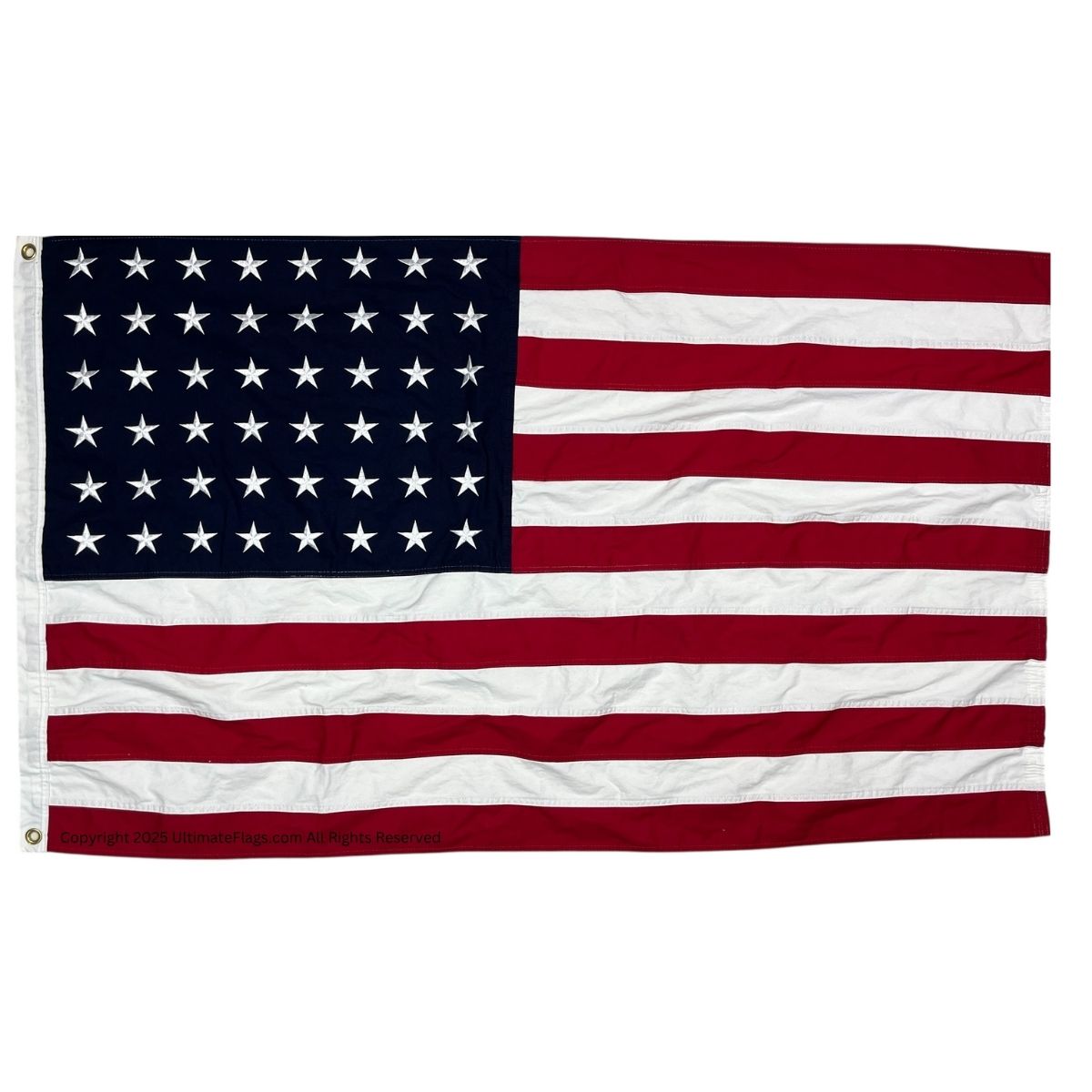
The U.S. Army Institute of Heraldry documents the development of the United States flag, including the version with 48 stars. Smithsonian National Museum of American History resources address the Betsy Ross story and the limits of its supporting evidence. Use those sources to distinguish documented history from a traditional attribution.
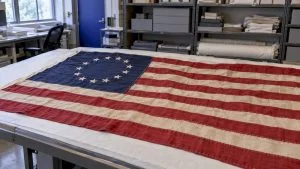
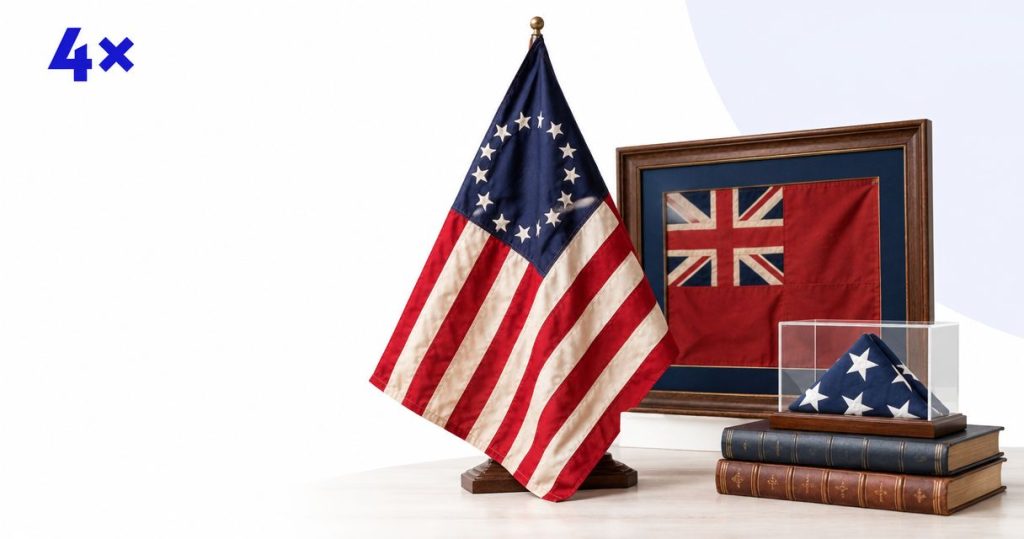
A circular arrangement of 13 stars is associated with the familiar Betsy Ross design, but that association alone does not establish who made an individual flag. Save the reference you actually consult, and record your access date in your collection notes.
- Compare star counts and arrangements.
- Check wording, spelling, and punctuation.
- Compare the positions of emblems and devices.
- Record whether an attribution is documented or traditional.
- Save the reference title and relevant image or description.

Match the listing to your research
Once you know the design, compare its details with the seller’s description and photographs. Manual research gives you the reference; a catalog gives you a way to find a purchasable representation. Keep those jobs separate.
Ultimate Flags’ historical flag selection includes designs named in its catalog description, such as Washington headquarters flags, Betsy Ross flags, and 48-star USA flags. Those names help narrow your search, but the individual listing still needs to answer your questions about the specific item.
Ultimate Flags suits collectors shopping for historical flag designs. For any seller, the limitation is the same: a category name does not establish the materials, dimensions, age, or documentary history of an individual flag. Resolve unanswered questions before treating an item as a match.
- Match the listing’s design to your reference.
- Read the full description, not just the title.
- Distinguish a representative photograph from item-specific evidence.
- Check whether the listing identifies the flag as newly made or older.
- Ask about any feature that the photographs leave unclear.
Measure the display before choosing dimensions
Measure the usable space with a tape measure, then compare those measurements with the stated flag dimensions. For a wall display, allow room for the mounting method and any explanatory label. For a pole display, check the pole and mounting hardware instructions rather than judging scale from a photograph.
For example, a flag measuring 3 feet by 5 feet needs a display plan that accommodates both dimensions. That is a planning example, not a statement about any particular catalog item. A flag that fits the wall can still cover a switch, overlap furniture, or leave no room for its label.
Also consider viewing distance. Small lettering and intricate emblems deserve a closer viewing position; buying a larger flag does not automatically solve an unclear or historically incorrect design.
- Measure the available width and height.
- Leave clearance around furniture and fixtures.
- Check the stated orientation and attachment points.
- Reserve space for a contextual label.
- Compare the complete setup with your mounting instructions.
Check material, construction, and mounting together
Read the material description before deciding whether a flag suits your display. Nylon, polyester, and cotton identify fibers or material families, not a complete performance specification. Fabric weight, construction, exposure, and care instructions also matter.
Look separately at how the design is made. Printed imagery places the design on the fabric; sewn construction joins fabric pieces; embroidery uses stitched thread to form details. These methods describe construction, not a universal quality ranking. An embroidered detail is not proof of historical accuracy.
Do not infer durability from a close-up photograph or assume every historical pattern is offered in the same construction. Check each listing on its own terms. If a care or mounting requirement is unclear, settle it before choosing a permanent display location.
- Read the stated material and care instructions.
- Identify printed, sewn, or embroidered elements.
- Inspect photographs of hems and attachment areas.
- Match the attachment style to your hardware.
- Check whether reverse-side appearance matters for your display.
Document the purchase and explain the display
Create a collection record before the flag arrives. A simple document or spreadsheet works: record the design name, seller’s description, dimensions, construction, and the historical reference used for identification. Keep the seller’s claims separate from your own observations.
For your collection records, photograph the flag when it arrives and compare it with the saved listing. Note discrepancies promptly. A reproduction’s documentation explains what it represents; it does not turn the reproduction into an original artifact.
Context matters especially for controversial historical flags. Describe their associations plainly, including links to slavery, secession, or racist use where relevant and supported by reliable sources. A collection label should explain the object without endorsing the movement associated with it.
- Save the listing description and purchase record.
- Photograph the front, reverse, and identifying details.
- Record the historical source separately from seller information.
- Label uncertain attributions as uncertain.
- Add factual context for visitors unfamiliar with the design.
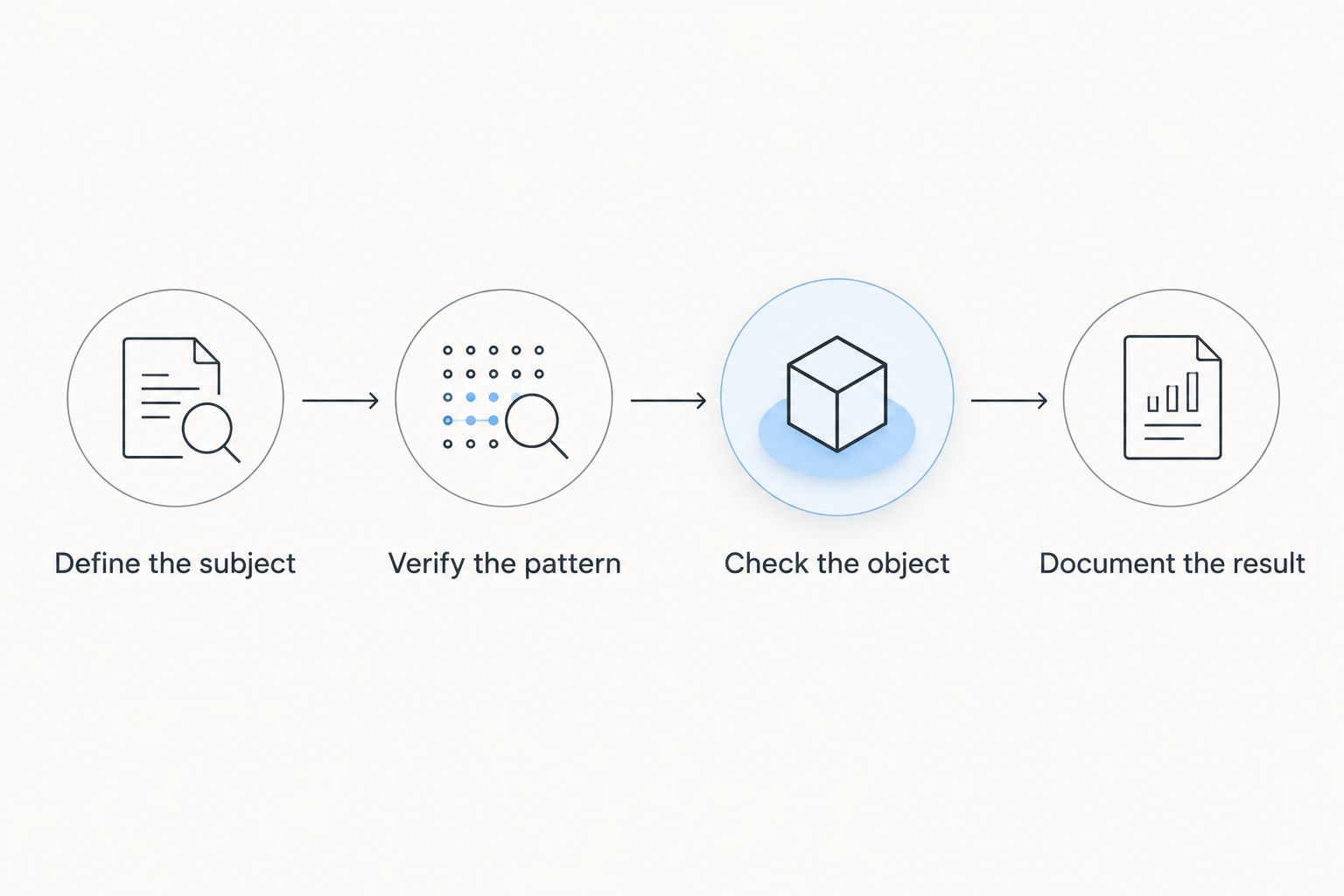
The buying sequence stays simple: define the subject, verify the pattern, check the object, and document the result. Skipping the reference check leaves every later decision resting on a name rather than an identified design.
Compare the main collecting options
The best option depends on whether you want to represent a historical design, study an older object, or explain a subject to visitors. These options can serve the same collection, but they require different evidence. Do not apply reproduction-buying standards to a claimed period artifact.
| Option | Best for | Main advantage | Key limitation |
|---|---|---|---|
| Newly made historical reproduction | Collectors displaying a historical pattern | Lets you select a representation of the subject | Does not establish period manufacture or historical use |
| Documented period artifact | Collectors studying an older physical object | Connects the object with evidence about its history | Requires provenance review, condition assessment, and appropriate care |
| Outdoor historical display | Buyers who want a historical design on a pole | Makes the design visible in its intended setting | Exposure and mounting demands must suit the particular item |
| Indoor contextual display | Collectors explaining a design to visitors | Pairs the flag with references and interpretation | Requires space, mounting decisions, and a clear label |
Ultimate Flags is an option for shopping historical flag designs, not a substitute for independent authentication of a claimed period artifact. Check the individual description for the facts needed to make your choice; do not transfer assumptions from one listing to another.
Find your next historical design
Explore flag designs, then check the individual listing against your collection requirements.
Common mistakes historical flag collectors make
Treating a historical name as proof of age
A newly manufactured flag can represent an old design. Terms such as Revolutionary War or Civil War identify a historical subject, but they do not independently date the object offered for sale. Require separate evidence before describing a purchase as period-made.
Buying the right star count but the wrong pattern
Star count is only part of identification. Arrangement, proportions, emblems, and inscriptions can matter to your collecting subject. Compare the whole design with your reference rather than stopping after a quick count.
Assuming decorative detail proves authenticity
Embroidery and sewn panels describe how an object is made. They do not, by themselves, establish age, military use, or correspondence with a documented historical flag. Evaluate construction and historical identification as separate questions.
Leaving controversial designs unexplained
Historical collecting does not erase a symbol’s associations. A display without context leaves visitors to interpret the purpose themselves. Use a factual label that distinguishes historical study from endorsement and acknowledges relevant harms without celebratory language.
Planning the label after filling the wall
A crowded display leaves little room to explain differences between similar flags. Plan the flag and its label together. For a display refresh, remove unsupported descriptions before adding another object; a smaller, accurately identified collection tells a clearer story.
FAQ
What should I check first when buying historical flags for sale?
Check the design’s identity first, then establish whether the item is a reproduction or a claimed period artifact. Compare the listing with a reliable historical reference before evaluating dimensions, material, and mounting.
Is a historical reproduction the same as an antique flag?
No. A historical reproduction represents an earlier design, while an antique claim concerns the age of the physical object. Historical appearance alone does not establish age or provenance.
Which historical flag designs does Ultimate Flags sell?
Ultimate Flags lists historical designs including Betsy Ross flags, Washington headquarters flags, 48-star USA flags, and historic state flags. Check the individual listing for the exact design, dimensions, and construction.
Does embroidery make a historical flag more accurate?
No. Embroidery describes construction, not historical accuracy. Assess accuracy by comparing the design with a reliable reference, and assess the construction separately.
Can I fly a historical reproduction outdoors?
Choose outdoor use only when the individual flag’s stated construction and instructions suit that setting. Confirm mounting compatibility and care requirements rather than assuming every reproduction is intended for a pole.
How do I verify the history behind a flag design?
Compare the design with museum collections, government history resources, archives, or scholarly references. Save the specific source you consult and distinguish documented facts from traditional names or disputed attributions.
How should I display a controversial historical flag?
Use a factual label that explains the flag’s historical associations and the purpose of the display without endorsing the associated movement. Include relevant context about slavery, racism, or other harms where supported by reliable sources.
One last thing
The most useful addition to a historical flag collection is a clear label. Record what the design represents, what evidence supports that identification, and whether the physical flag is a reproduction or a documented older object. That small habit makes the collection easier to understand—and harder to misidentify.
Related guides