

On August 26, 1920, Secretary of State Bainbridge Colby quietly signed a proclamation in Washington, and one of the longest campaigns in American history came to an end. The 19th Amendment was now part of the Constitution, and millions of American women could vote. It took more than 70 years of conventions, petitions, marches and patient persuasion, and in the end it came down to a single vote in Tennessee.
What the 19th Amendment Says
The amendment is only two sentences long:
“The right of citizens of the United States to vote shall not be denied or abridged by the United States or by any State on account of sex. Congress shall have power to enforce this article by appropriate legislation.”
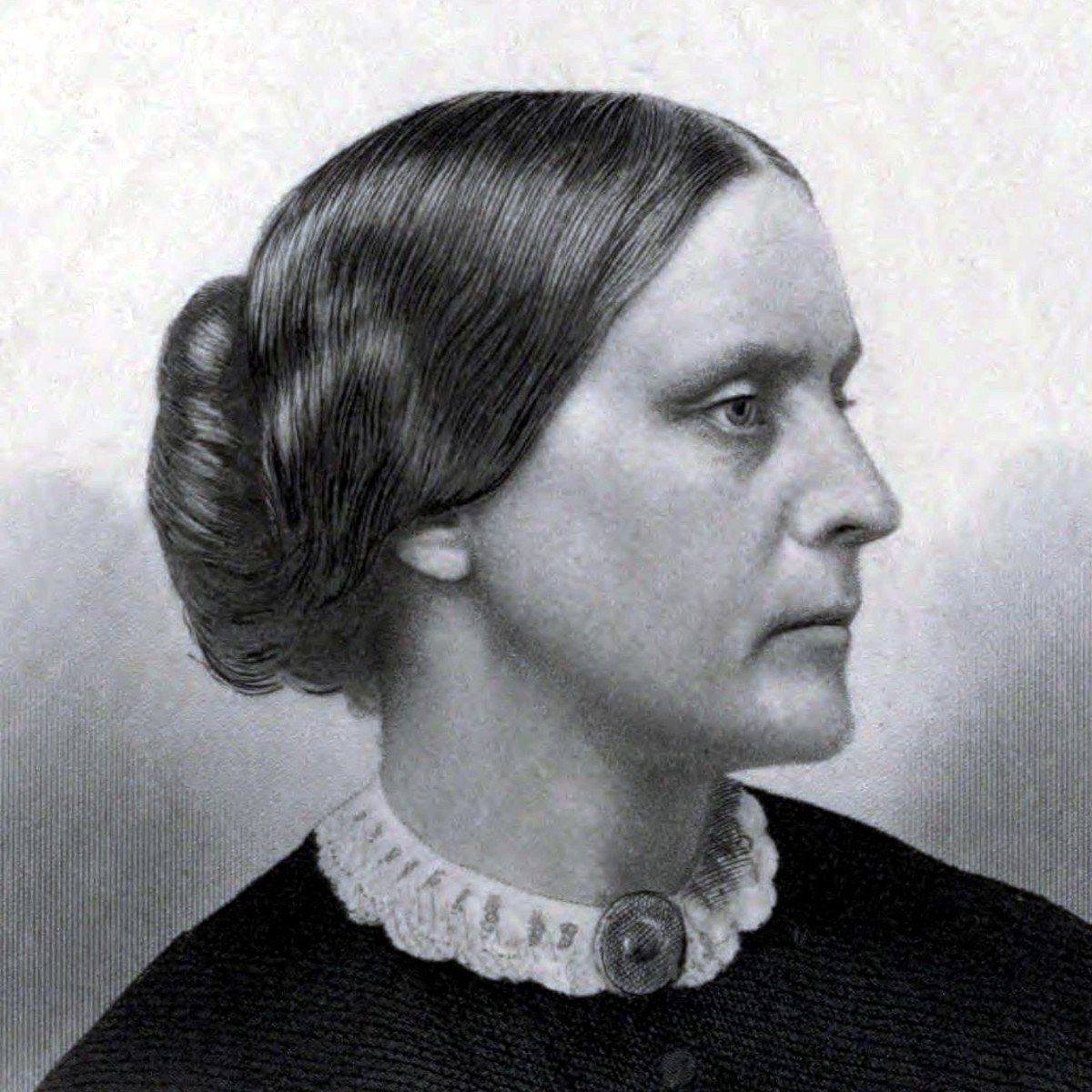
It is often called the Susan B. Anthony Amendment, because its wording was first introduced in Congress in 1878 at the urging of Anthony and her allies. The same words would be voted down and reintroduced for more than four decades before they finally passed.
Seneca Falls, 1848: “Their Sacred Right”
The movement is usually dated to July 19–20, 1848, when about 300 people gathered at the Wesleyan Chapel in Seneca Falls, New York, for the first women’s rights convention in the United States. It was organized by Elizabeth Cady Stanton, Lucretia Mott and several local Quaker women, many of whom had worked in the abolition and temperance movements.
Stanton wrote a Declaration of Sentiments modeled on the Declaration of Independence, declaring that “all men and women are created equal.” The boldest resolution, the one even some supporters thought went too far, called on women to demand the vote:
“Resolved, That it is the duty of the women of this country to secure to themselves their sacred right to the elective franchise.”
With the support of the great orator Frederick Douglass, the resolution passed. Exactly 100 attendees, 68 women and 32 men, signed the Declaration. Only one signer, Charlotte Woodward, was still alive when the 19th Amendment was ratified 72 years later.
After the Civil War: A Movement Divided
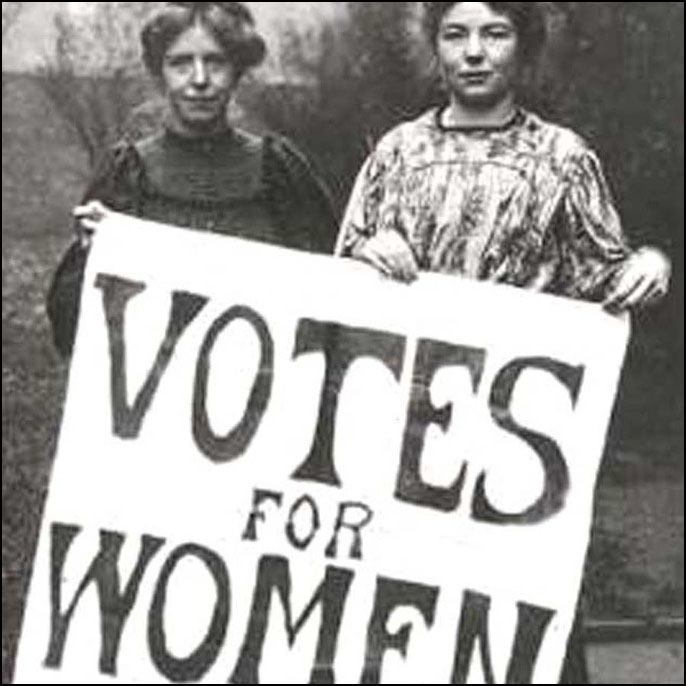
After the Civil War, the 15th Amendment (1870) barred voting discrimination based on race, but it said nothing about sex. The question of whether to support it split the suffrage movement in two.
In 1869 Susan B. Anthony and Elizabeth Cady Stanton founded the National Woman Suffrage Association to push for a federal constitutional amendment. That same year Lucy Stone and others formed the American Woman Suffrage Association, which worked state by state. In 1872 Anthony was arrested for voting in Rochester, New York, and fined $100, which she refused to pay. In 1890 the two groups united as the National American Woman Suffrage Association (NAWSA).
The West Leads the Way
The first breakthroughs came on the frontier. Wyoming Territory gave women the vote in 1869, and when Wyoming entered the Union in 1890 it became the first state with full women’s suffrage. Colorado followed in 1893, and Utah and Idaho in 1896. By the 1910s, Washington, California, Oregon, Arizona, Kansas and others had joined them, and women in the West were voting years before women in the East.
A New Generation: Parades, Pickets and Persistence
In the early 1900s a new generation took up the fight. Carrie Chapman Catt, president of NAWSA, built a disciplined national campaign to win both states and Congress. Alice Paul and Lucy Burns took a bolder approach. Their group, which became the National Woman’s Party in 1916, organized a huge suffrage parade in Washington in 1913, and beginning on January 10, 1917, its “Silent Sentinels” picketed the White House with banners asking President Woodrow Wilson how long women must wait for liberty. Many were arrested and jailed.
When America entered World War I in April 1917, millions of women supported the war effort in factories, hospitals, the Red Cross and the armed forces. Their service made it harder for opponents to argue that women did not deserve a voice in the government. In January 1918, President Wilson publicly endorsed the amendment.
The Long Road Through Congress
The House of Representatives passed the amendment on January 10, 1918, but the Senate fell two votes short that fall and failed again in February 1919. After the 1918 elections changed the makeup of Congress, the House passed it once more on May 21, 1919, and the Senate finally approved it on June 4, 1919. It then went to the states, where three-fourths, or 36 of the 48, had to ratify.
Tennessee and the Deciding Vote
By the summer of 1920, 35 states had ratified. Supporters and opponents converged on Nashville for what became known as the “War of the Roses”: suffragists wore yellow roses and opponents wore red. The Tennessee Senate approved the amendment easily, but in the House the vote deadlocked at 48 to 48.
On August 18, 1920, 24-year-old Representative Harry T. Burn, the youngest member of the legislature, walked in wearing a red rose. In his pocket was a letter from his mother, Febb Burn, urging him to “be a good boy” and vote for suffrage. Burn voted yes, breaking the tie. Tennessee became the 36th state to ratify, and eight days later the amendment was certified as part of the Constitution.
That November, women across the country voted in a presidential election, many for the very first time.
For more stories of courageous American women, read about Georgia’s Revolutionary War heroine in Nancy Hart, Georgia’s “War Woman”, and learn how to fly your colors properly in our guide to U.S. Flag Code Rules.
Frequently Asked Questions
When did women get the right to vote in the United States?
The 19th Amendment was ratified on August 18, 1920, when Tennessee approved it, and was certified on August 26, 1920. Some states and territories, starting with Wyoming in 1869, had allowed women to vote earlier.
What does the 19th Amendment do?
It forbids the United States or any state from denying or limiting a citizen’s right to vote because of sex, and it gives Congress the power to enforce that rule.
What was the last state needed to ratify the 19th Amendment?
Tennessee was the 36th and deciding state, ratifying on August 18, 1920, after Representative Harry T. Burn changed his vote on his mother’s advice.
Who were the leaders of the women’s suffrage movement?
Key leaders included Elizabeth Cady Stanton, Lucretia Mott, Susan B. Anthony, Lucy Stone, Carrie Chapman Catt, Alice Paul and Lucy Burns, along with supporters like Frederick Douglass.
What happened at the Seneca Falls Convention?
At the July 1848 convention in Seneca Falls, New York, about 300 people debated women’s rights and 100 signed the Declaration of Sentiments, which included the first formal demand for women’s right to vote.
Why is it called the Susan B. Anthony Amendment?
Anthony championed a federal suffrage amendment for decades, and the wording first introduced in Congress in 1878 is essentially the language adopted in 1920. She died in 1906, before it passed.
Celebrate American Liberty
Honor the states that led the way with a Wyoming Flag, the first state to give women the vote, or a Tennessee Flag, the state that made it law. The 48 Star American Flag is the flag that flew in 1920, and you can find every state in our State Flags collection.
Thanks for reading! We hope you enjoyed our post. Please share with all your fellow patriots. Brought to you by: Ultimate Flags