
 BUY Rebel Flags For Sale
Of all the soldiers who served the 43rd Mississippi Infantry, few were as famous as one who never carried a rifle. His name was Old Douglas, and he was a camel. He marched with the regiment through two years of war, carried its band’s instruments, terrified its horses, and was mourned by the whole command when he fell at Vicksburg. Today he has his own grave marker in Vicksburg’s Cedar Hill Cemetery.

How Camels Came to America
Many people have heard of the U.S. Army’s camel experiment in the Old West, years before the Civil War. In the 1850s the Army was charged with supplying forts and surveying wagon roads across the deserts of the Southwest, where long, dry stretches between water sources wore out horses and mules. Some officers believed camels were the answer.
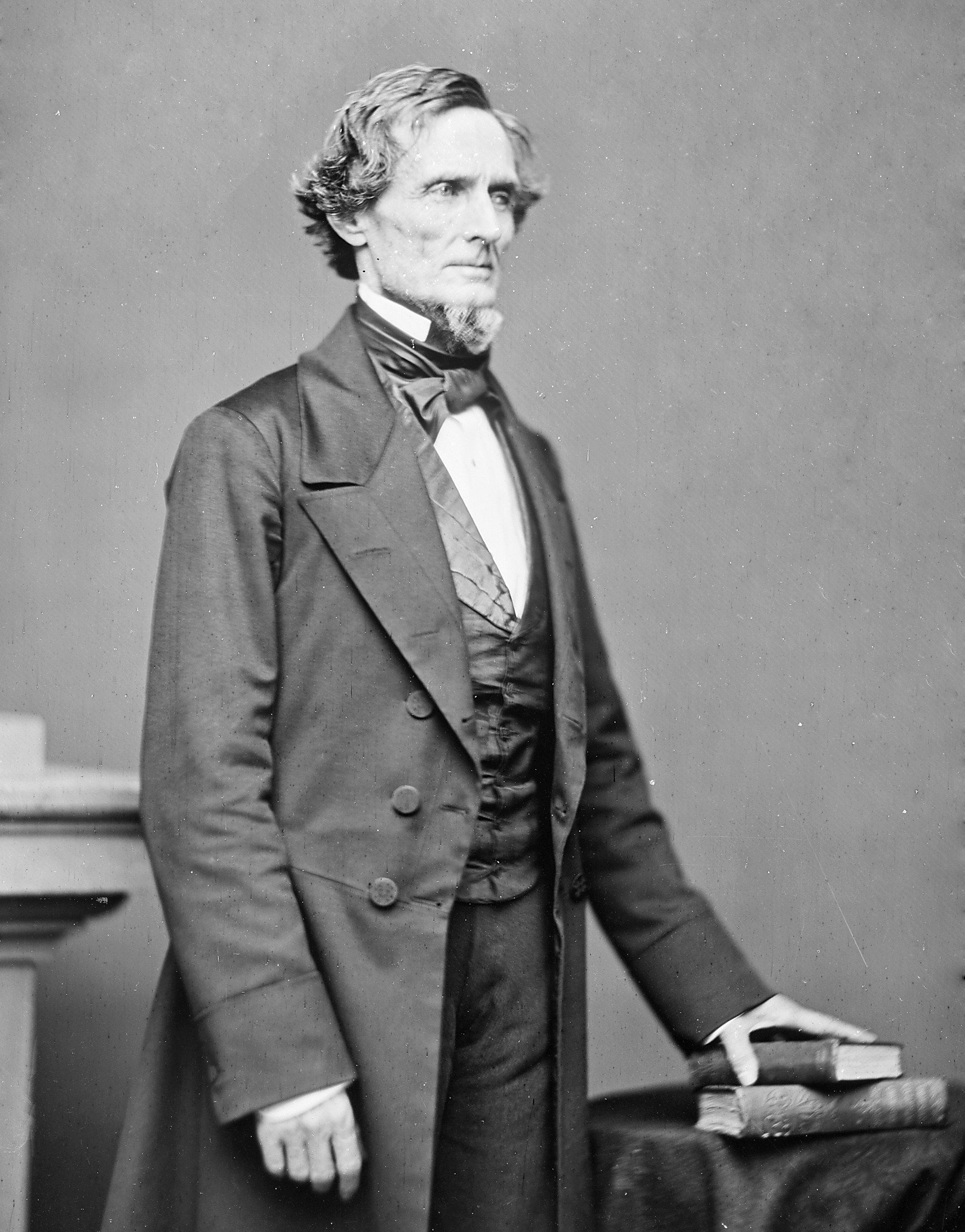
What many people don’t know is that Jefferson Davis was the driving force behind it. Davis promoted the idea while serving in the U.S. Senate, and as Secretary of War under President Franklin Pierce he persuaded a skeptical Congress to appropriate $30,000 in 1855 to buy camels for the Army. Navy ships brought the animals from ports in North Africa and the Middle East, including Tunis, Egypt and Smyrna in what is now Turkey. The first herd landed at Indianola, Texas, in 1856 and was based at Camp Verde in the Texas Hill Country.
Old Douglas Joins the 43rd Mississippi
Exactly how Old Douglas reached Mississippi is not certain. Regimental tradition says he was given to the 43rd Mississippi by one of its officers, Lieutenant William Hargrove, early in the war. However he arrived, he quickly became part of the regiment, which came to be known as the “Camel Regiment.”
The men knew nothing about camels and first tried to keep him tied up like a horse. No rope could hold Old Douglas, and the soldiers soon learned to let him graze freely. That was no problem, because he never strayed far from the men. The regiment’s horses were another story. They were terrified of him, and one day he is said to have spooked a single horse into starting a stampede through the camp.
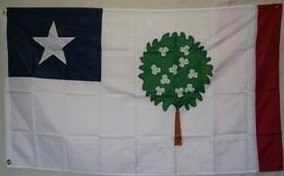
Besides serving as the regiment’s mascot, Old Douglas worked for the Confederate regimental band, carrying its instruments and supplies on the march. Wherever the 43rd went and whatever battles it fought, Old Douglas was there.
Iuka, Corinth and Vicksburg
Old Douglas first saw active service with General Sterling Price’s army in the Iuka campaign of September 1862. He was present at the Battle of Corinth that October and stayed with the regiment through the long retreat and into the defenses of Vicksburg.
During the Siege of Vicksburg in June 1863, Old Douglas was shot and killed by a Union sharpshooter. The loss enraged the men who had marched beside him for so long. According to the account of Colonel Robert Bevier of the Missouri Brigade, who served alongside the Mississippians in the Vicksburg lines, six of his best marksmen were chosen to settle the score, and they shot and severely wounded the Union rifleman responsible. Bevier’s account is the main source for this part of the story. Tradition also holds that the starving garrison put the camel’s meat to use before the siege ended.
Remembered at Cedar Hill Cemetery
Good Old Douglas served the Confederate cause faithfully, and he has the honor of his own grave marker at Cedar Hill Cemetery in Vicksburg, Mississippi, near the resting place of the Confederate soldiers who died defending the city.
Historians and Civil War reenactors still tell his story. The Texas Camel Corps, a living history group, works to share the history of camels in America, including Old Douglas and the Army’s camel experiment. Its members point out that camels deserve a better reputation than they get: they are gentle when treated well, hardy, and every bit as intelligent as a horse.
Explore historic Mississippi and Confederate flags in our Confederate flag collection.
Thanks for reading. Please share our posts with your friends and family so they too can learn more about Southern Heritage and History.
Brought to you by: Ultimate Flags