
 BUY Rebel Flags For Sale
It is one of the most common questions people ask about Robert E. Lee: did he ever regret fighting for the South? Lee’s own words, written and spoken before, during and after the war, give a clear answer. He grieved over the suffering the war brought, and he worked hard for peace once it was over. But he never wavered on the choice he made in April 1861.

A Choice Lee Never Wanted to Make
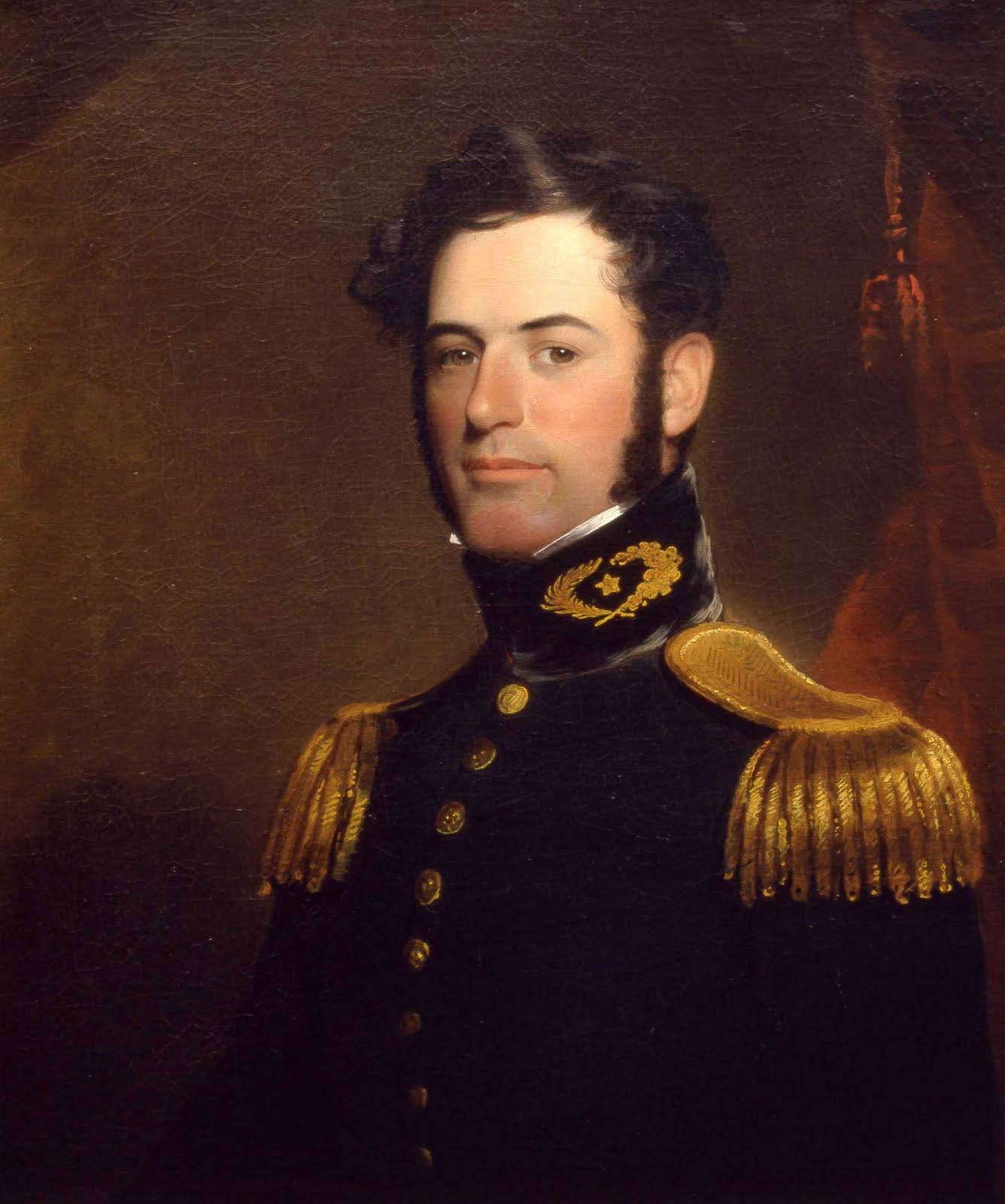
Lee did not rush into secession. In early 1861, while still serving in the U.S. Army in Texas, he told a friend:
“If Virginia stands by the old Union, so will I. But if she secedes (though I do not believe in secession as a constitutional right, nor that there is sufficient cause for revolution), then I will follow my native State with my sword, and, if need be, with my life.”
When Virginia did secede in April 1861, Lee resigned the commission he had held for more than 30 years. On April 20 he wrote to his sister, who was married to a Union man and stayed loyal to the North:
“I have not been able to make up my mind to raise my hand against my relatives, my children, my home. I have therefore resigned my commission in the Army, and save in defense of my native State, with the sincere hope that my poor services may never be needed, I hope I may never be called on to draw my sword.”
Why Home and State Came First
Today we talk about the great social and political issues of the war, and they were grave. But for most individuals the choice came down to something closer to home: protecting the lives and homes of family and friends, or siding with an army that might march against them.
Americans of Lee’s generation had far stronger ties to their home states than most of us can imagine now. Lee’s own father, “Light-Horse Harry” Lee, had fought in the Revolution and served as governor of Virginia. There were still people alive in 1861 who had been born citizens of a colony, back when each colony stood on its own. To men like Lee, Virginia was not a line on a map. It was his country.
Winston Churchill, writing about Lee in his History of the English-Speaking Peoples, put it this way:
“He was opposed to slavery and thought that ‘secession would do no good,’ but he had been taught from childhood that his first allegiance was to the state of Virginia.”
“Sacred Principles to Maintain”
Lee was a realist about the odds. A day or two before the surrender at Appomattox, he spoke frankly with General William N. Pendleton, his chief of artillery. The conversation was recorded by General A. L. Long, Lee’s military secretary, in his Memoirs of Robert E. Lee (1886):
“…I have never believed we could, against the gigantic combination for our subjugation, make good in the long run our independence unless foreign powers should, directly or indirectly, assist us…. But such considerations really made with me no difference. We had, I was satisfied, sacred principles to maintain and rights to defend, for which we were in duty bound to do our best, even if we perished in the endeavour.”

After the War: Duty Without Regret
After Appomattox, Lee urged Southerners to accept the result, rebuild their homes and live in peace. He signed an amnesty oath in October 1865 and spent his last five years as president of Washington College in Lexington, Virginia (today Washington and Lee University), educating a new generation of young Southern men.
Yet when he looked back on the choice he made in 1861, he did not apologize for it. Several later writers record him telling a fellow Confederate, often identified as General Wade Hampton:
“I did nothing more than my duty required of me; I could have taken no other course without dishonor, and if all were to be done over again, I should act in precisely the same manner.”
Accounts differ on exactly when and to whom Lee said this, so the wording is best treated as recorded tradition rather than a confirmed quotation. But it fits everything Lee himself wrote. He regretted the suffering and the loss. He did not regret standing with Virginia.
Lee’s U.S. citizenship was finally restored in 1975, when President Gerald Ford signed a joint resolution of Congress. Ford said it corrected a 110-year oversight of American history.
Honor General Lee’s memory with a historic Confederate flag from our collection.
Thanks for reading. Please share our posts with your friends and family so they too can learn more about Southern Heritage and History.
Brought to you by: Ultimate Flags